DEPARTMENT OF PHILOSOPHY AND COMPARATIVE RELIGION

The cinematographically rich feedback received from the outgoing students of M.A. Comparative Religion on the day of their farewell program that beautifully captures their five-year-long intellectual and emotional journey: 

Click Here to watch the video

The weekly Teachers’ Seminar organized by the department every Wednesday from 4.30 p.m. to 6.00 p.m. with a two-fold objective: first, maximum utilization of the resources of the university without the requirement of any additional funds/grants; second, giving maximum possible exposure to our undergraduate, postgraduate, and Ph.D. (including prospective Ph.D.) students to interdisciplinary research aligning with the key mission of the National Educational Policy (NEP).

Faculty members from across the departments of Visva-Bharati deliver lectures and interact with our students. In the last academic year, our students listened to esteemed scholars/professors from Physics, Chemistry, Statistics, Zoology, Modern History, Archaeology, Mathematics, Women’s Studies, Art History, Journalism & Mass Communication, Economics & Politics, Education, Anthropology, Bengali, English, Marathi, Hindi, Ancient Indian History, and Philosophy.

26 students presented their papers at the Student’s Seminar (on the theme “For ALL Women and Girls: Rights, Equality and Empowerment”) organized by the department (using INR 20,000.00 from its revenue budget) on 07.03.2025. Faculty members from the Centre for Comparative Literature and Centre for Women’s Studies chaired the academic sessions;

The department has initiated the process of digitizing its old and valuable journals with the support of the Central Library of Visva-Bharati (approximately 4860 pages). The link to the digital archive will be made available on the departmental webpage.

The annual Wall Magazine (both print and digital versions) designed and published by the Ph. D. students of the department.

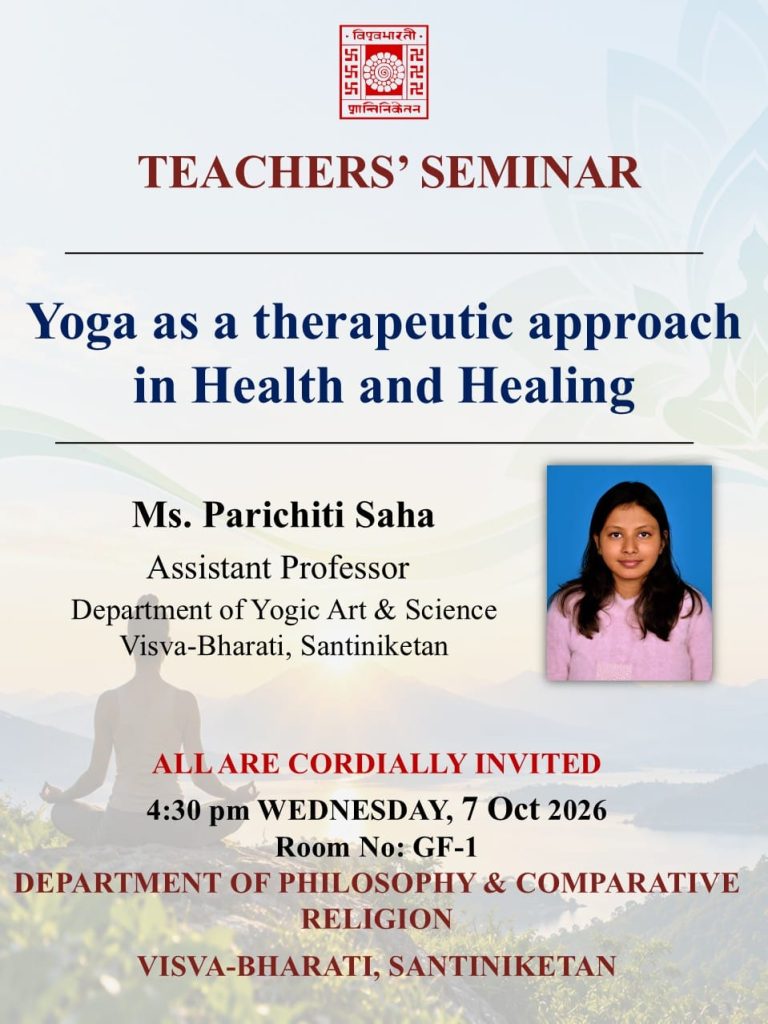
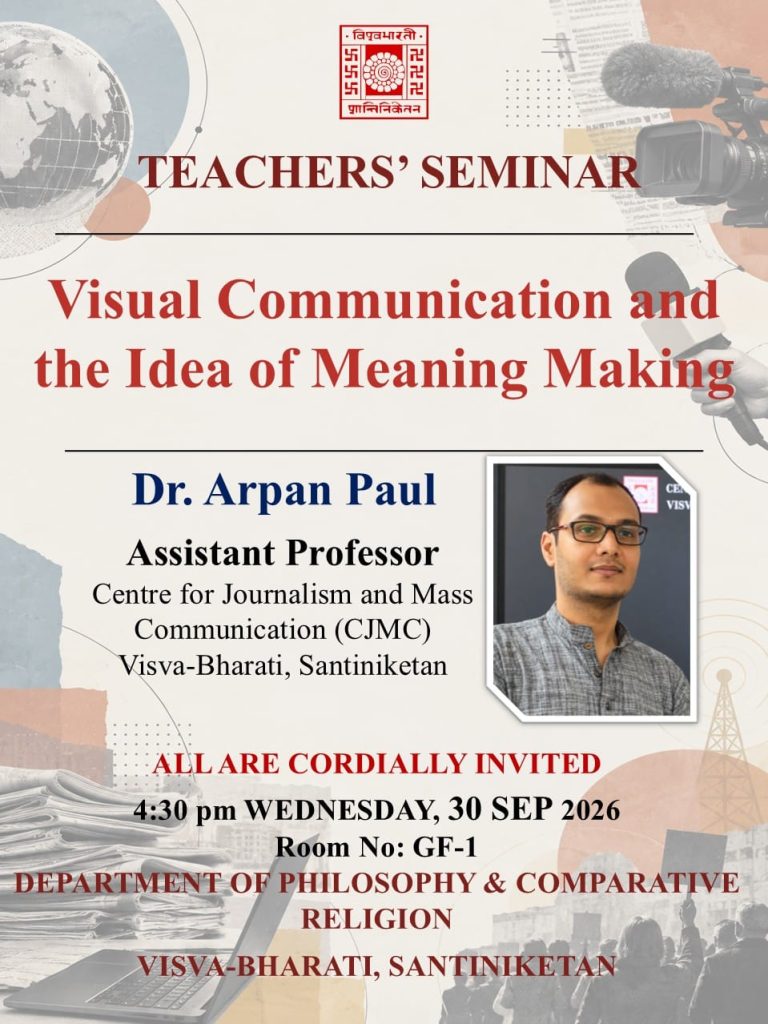
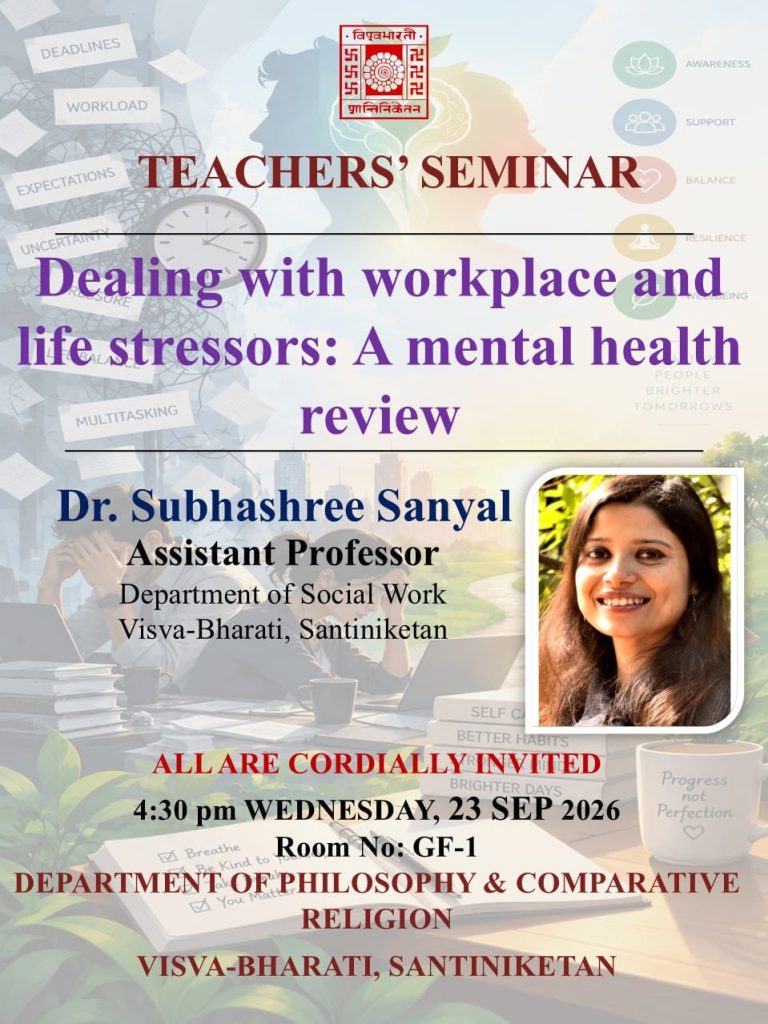
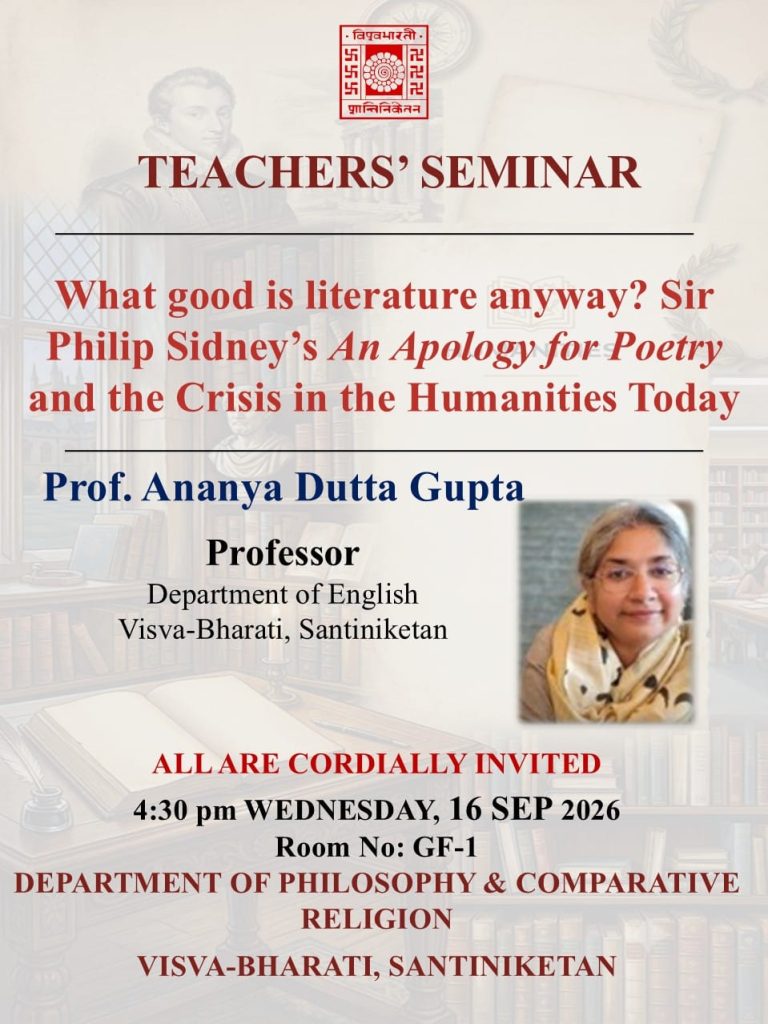
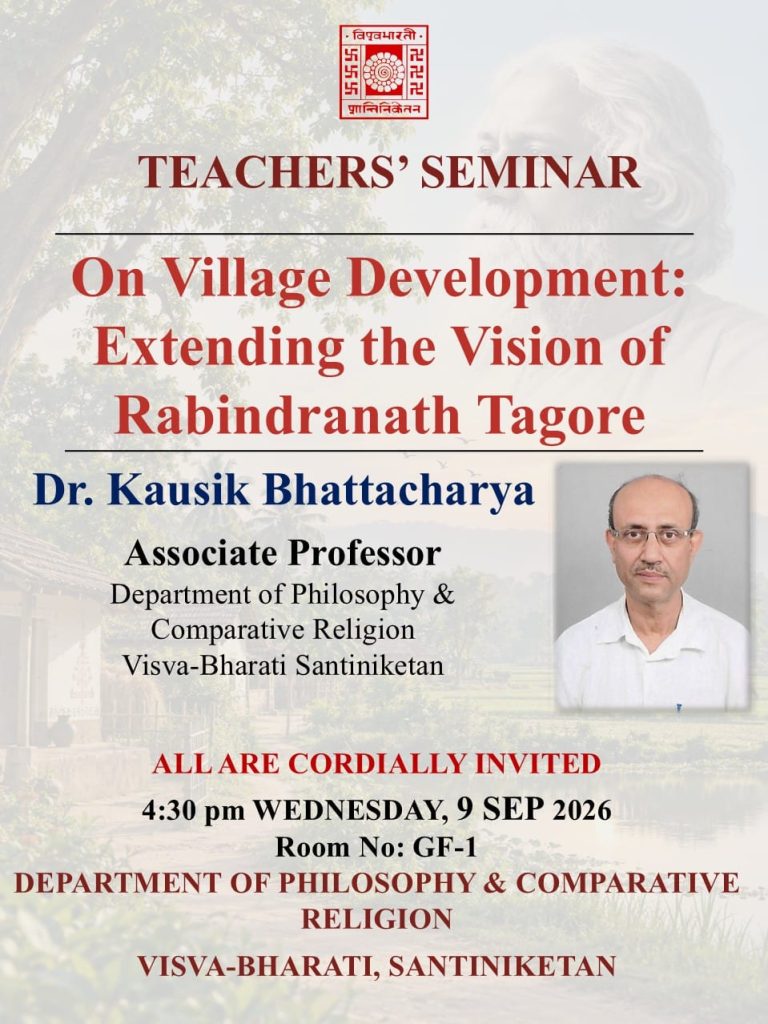
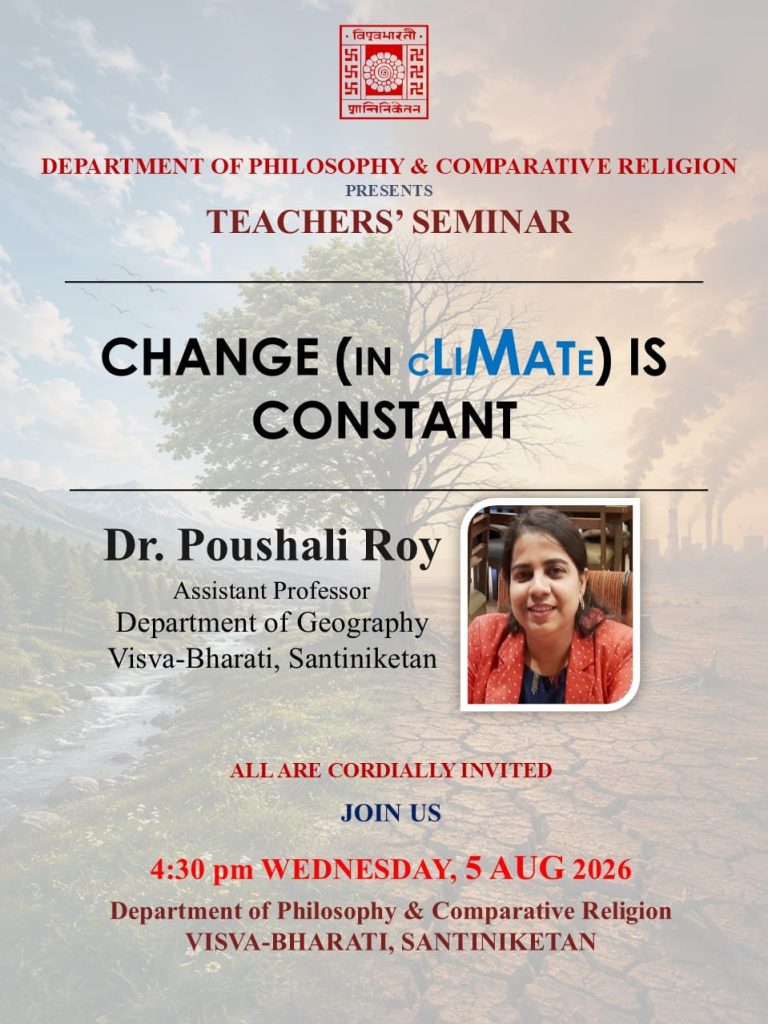
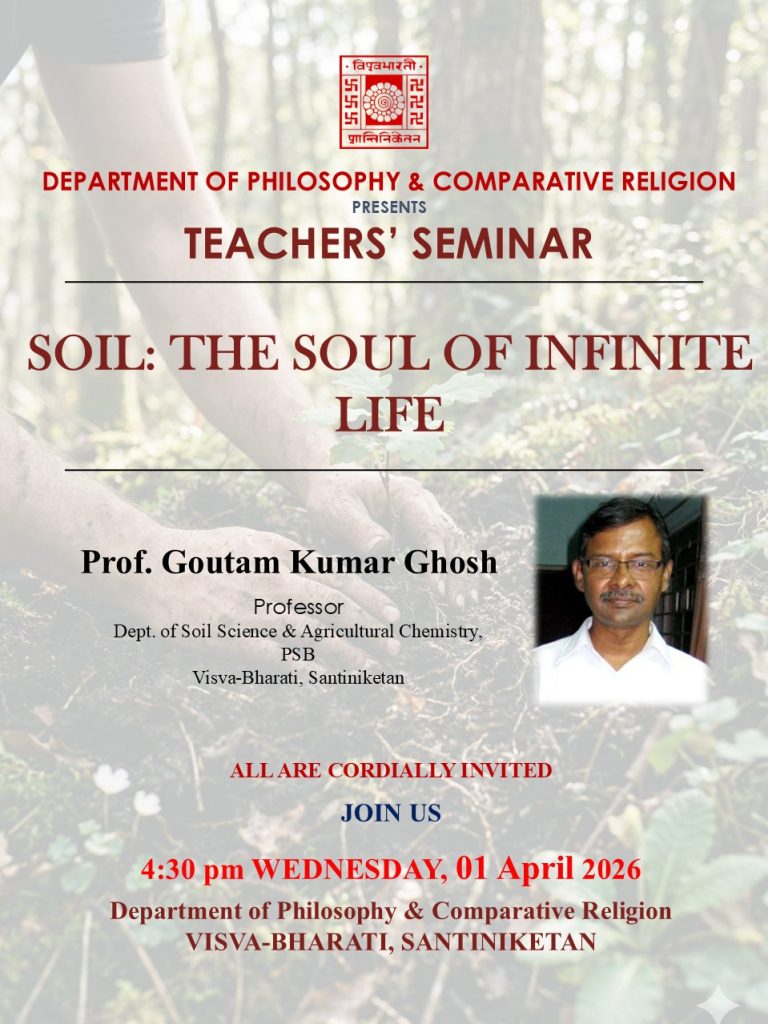
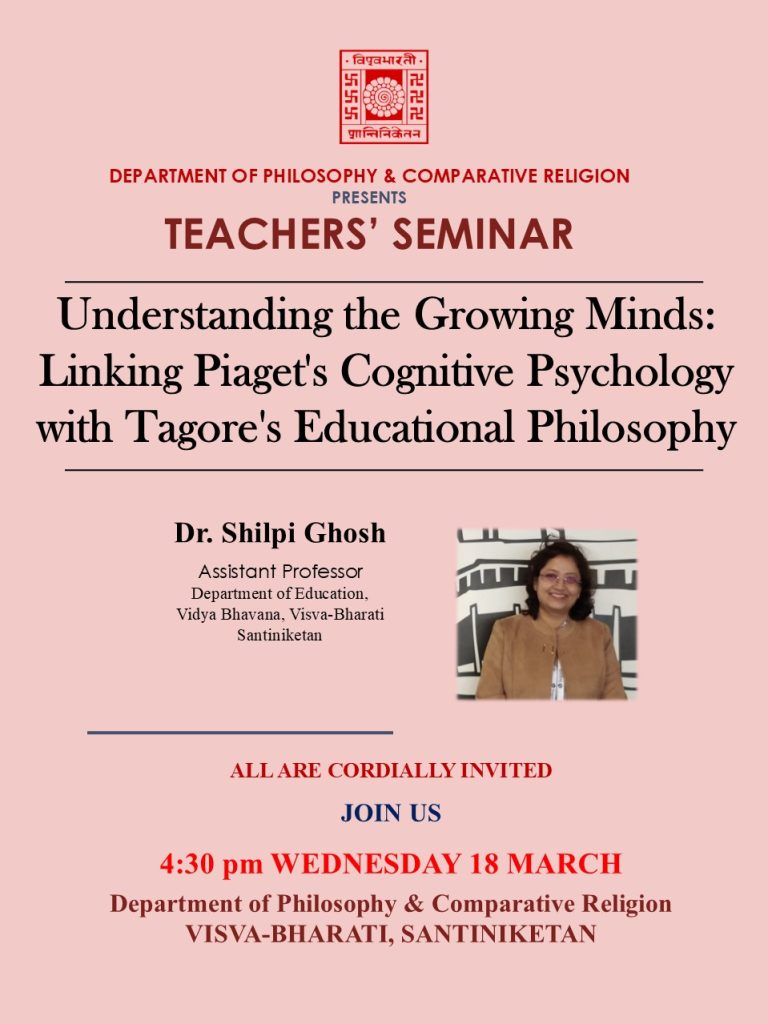
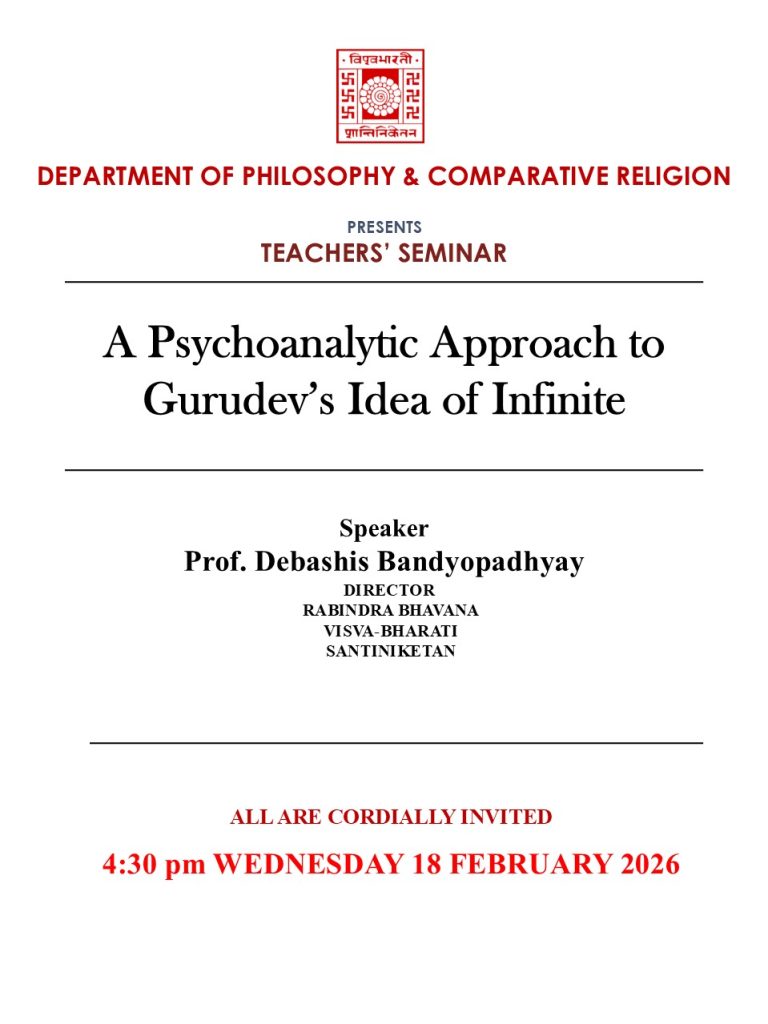
Upcoming Seminar

Seminar - 2025
Seminar - 2025
Seminar - 2025
Seminar - 2025

When we look at Advaita Vedānta in the 21 st Century, we find that any form of bhakti can be a way to experience the non-dual Brahman. Ramana Maharshi’s ‘Upadeṣa Sāra’ is an attestation to this claim. But that was not the condition of Advaita tradition in its inception. Saguṇa-Bhakti was considered only as a means for the purification of mind, which makes a seeker of Truth eligible to tread the path of knowledge. The talk examines the causes of this transition in the light of Sufism; and, argues why Sufism can be considered as a frame of reference to understand this transition after the classical period.

Seminar - 2025

Climate change is not just an environmental crisis – it is a story of unequal voices and unseen resilience. While the planet heats up, so do the daily struggles of women walking farther for water, protecting harvests from drought, or rebuilding homes after floods. Yet, these same women are quietly rewriting the narrative of survival through local knowledge, community care and innovation.


This talk explores how communication can transform such lived experiences into collective strength. Moving beyond charts and statistics, it reimagines climate change through a gender lens – one that recognises women not as victims but as vital communicators of change. Drawing from field stories, global insights and media examples, the session highlights how inclusive storytelling can bridge the gap between awareness and action.


Blending theory and interaction, it engages the audience in questioning: Whose stories shape our understanding of climate? And how can the media cultivate empathy instead of anxiety? The session invites listeners to discover how everyday acts of resilience—when amplified through sensitive and participatory communication – can ignite a shared responsibility for a sustainable future.

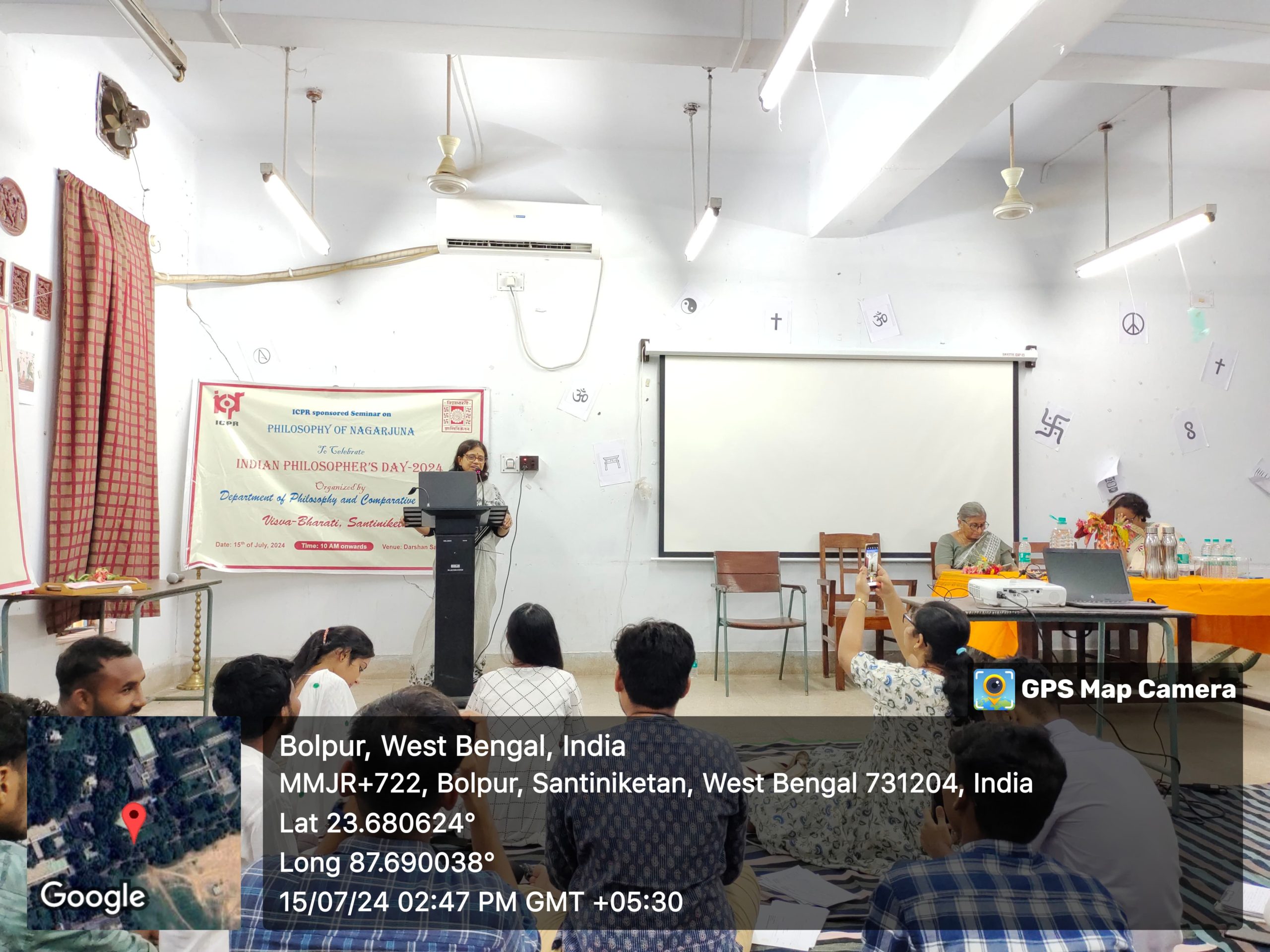
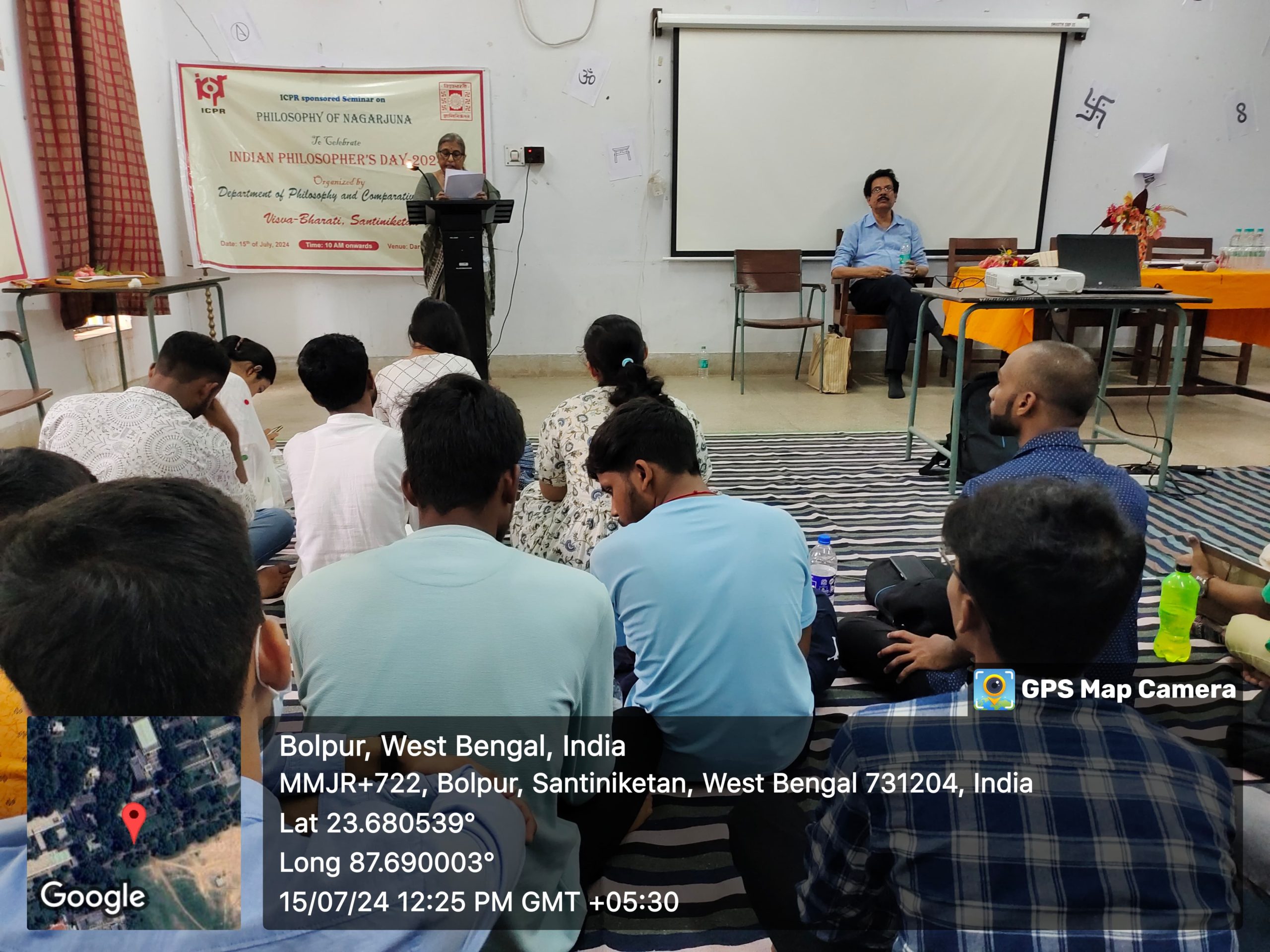
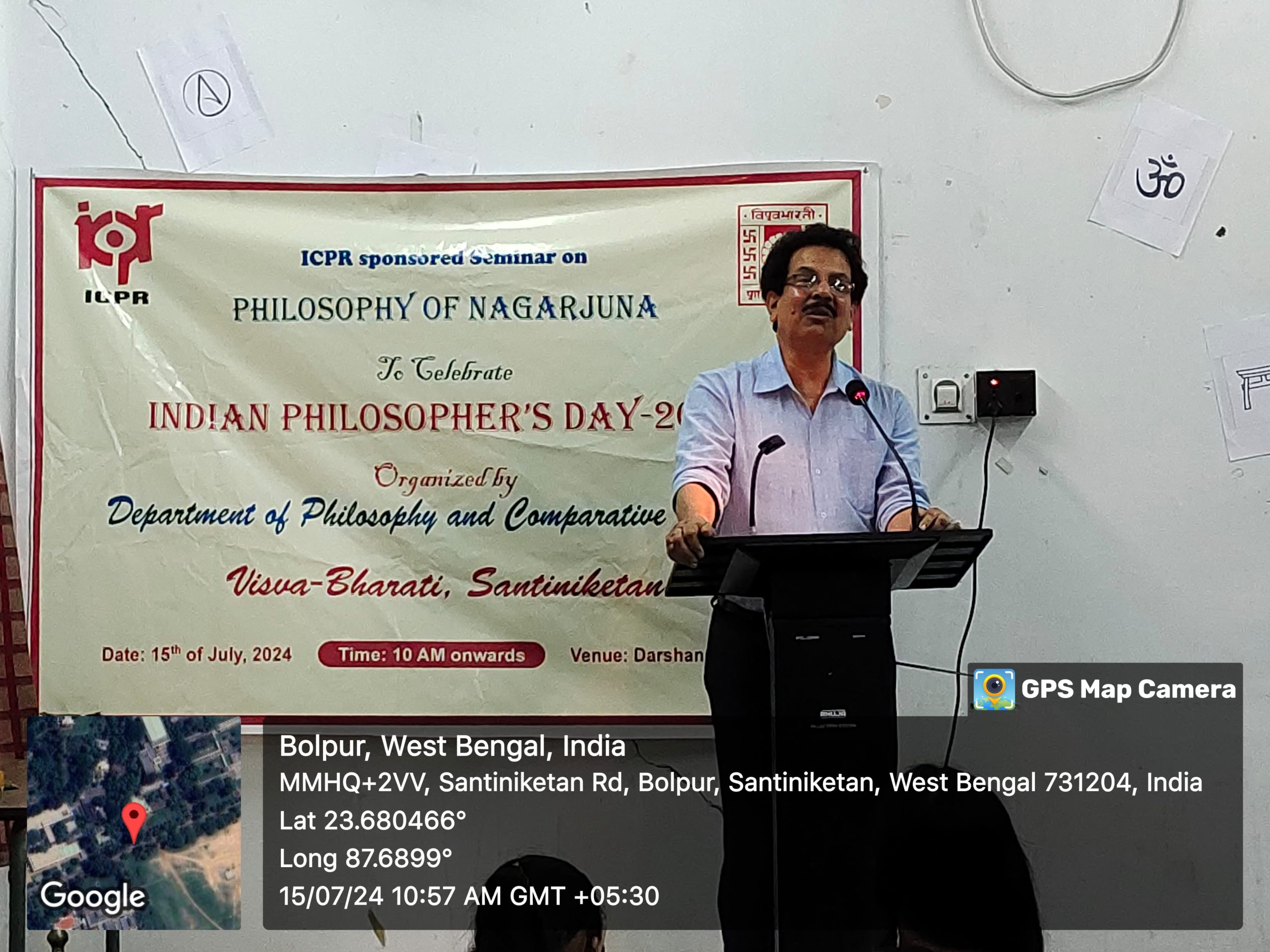
Photos