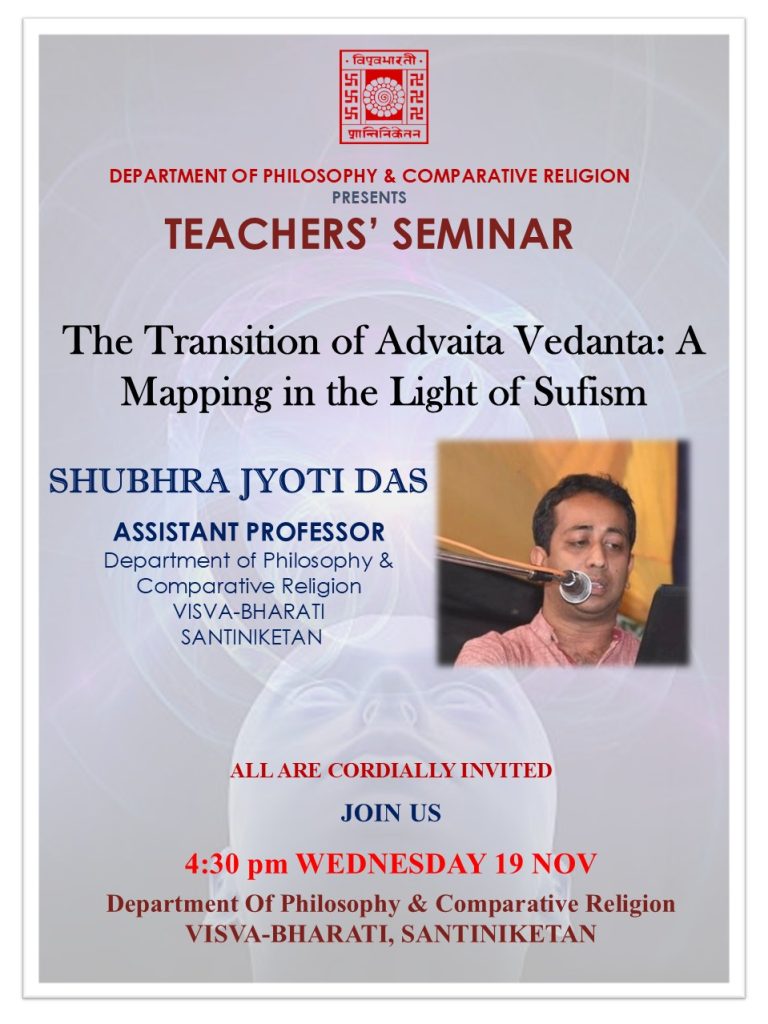
Climate change is not just an environmental crisis – it is a story of unequal voices and unseen resilience. While the planet heats up, so do the daily struggles of women walking farther for water, protecting harvests from drought, or rebuilding homes after floods. Yet, these same women are quietly rewriting the narrative of survival through local knowledge, community care and innovation.
This talk explores how communication can transform such lived experiences into collective strength. Moving beyond charts and statistics, it reimagines climate change through a gender lens – one that recognises women not as victims but as vital communicators of change. Drawing from field stories, global insights and media examples, the session highlights how inclusive storytelling can bridge the gap between awareness and action.
Blending theory and interaction, it engages the audience in questioning: Whose stories shape our understanding of climate? And how can the media cultivate empathy instead of anxiety? The session invites listeners to discover how everyday acts of resilience—when amplified through sensitive and participatory communication – can ignite a shared responsibility for a sustainable future.