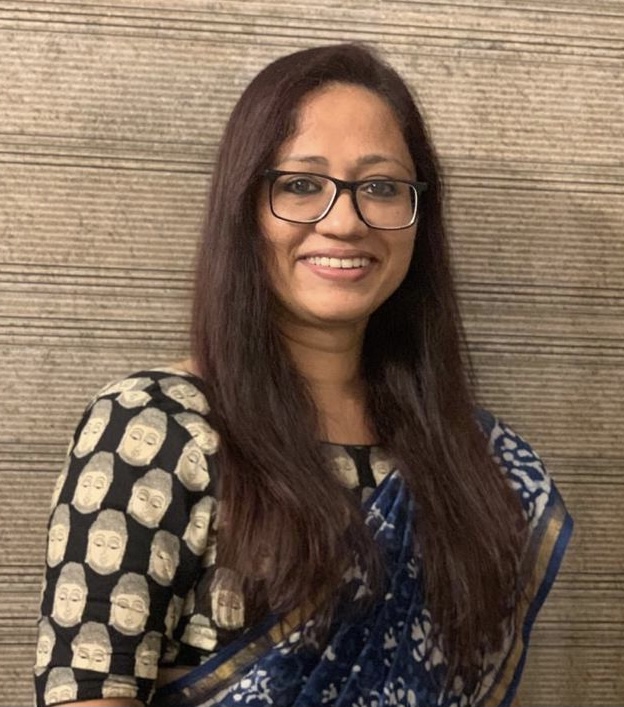
In-Charge, CJMC

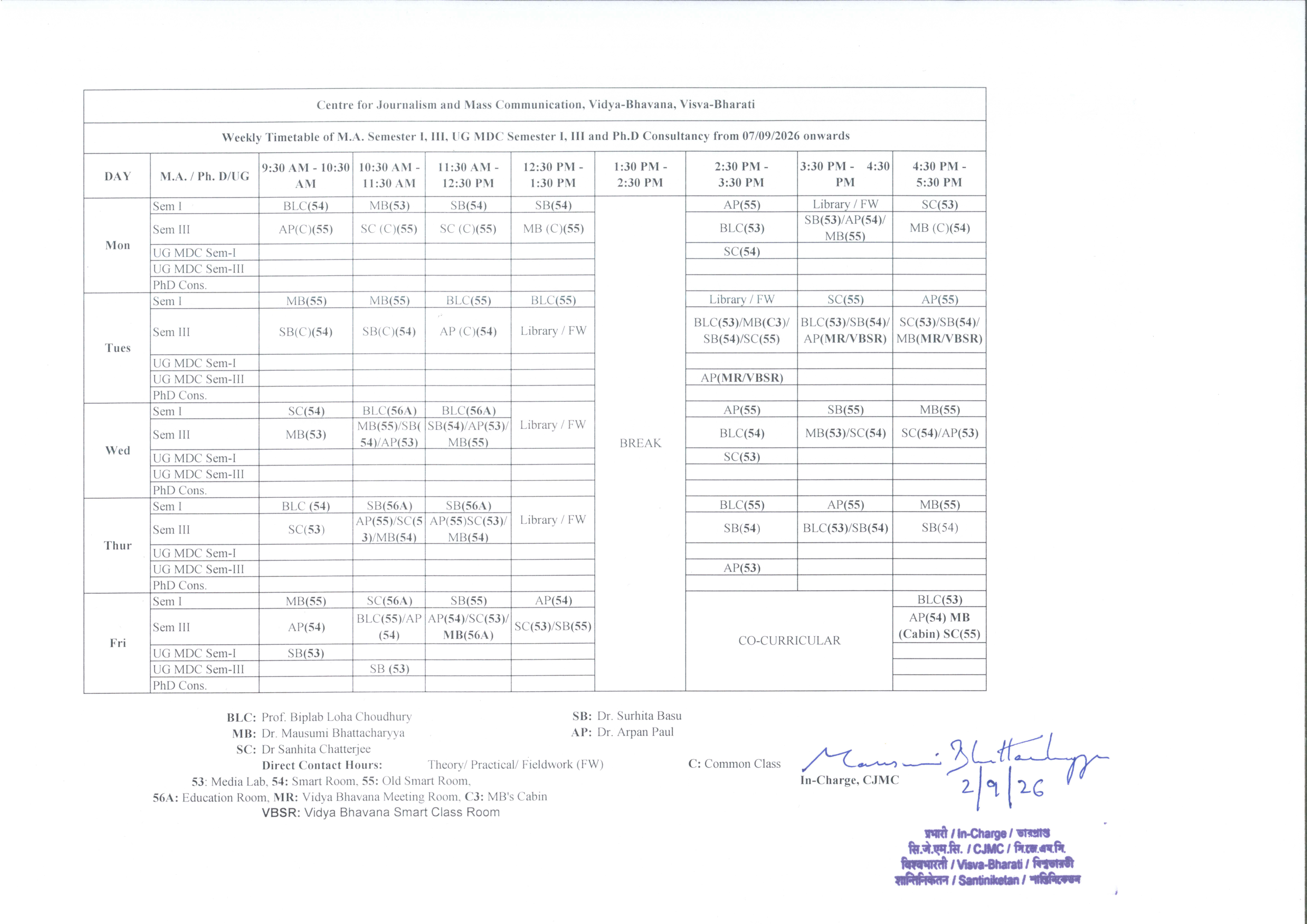
- Class Timetable from 07/09/2026
- Class Timetable from 30.07.2026 Onwards
- Notification regarding Ph.D. Viva-Voce examination of Shashi Subba
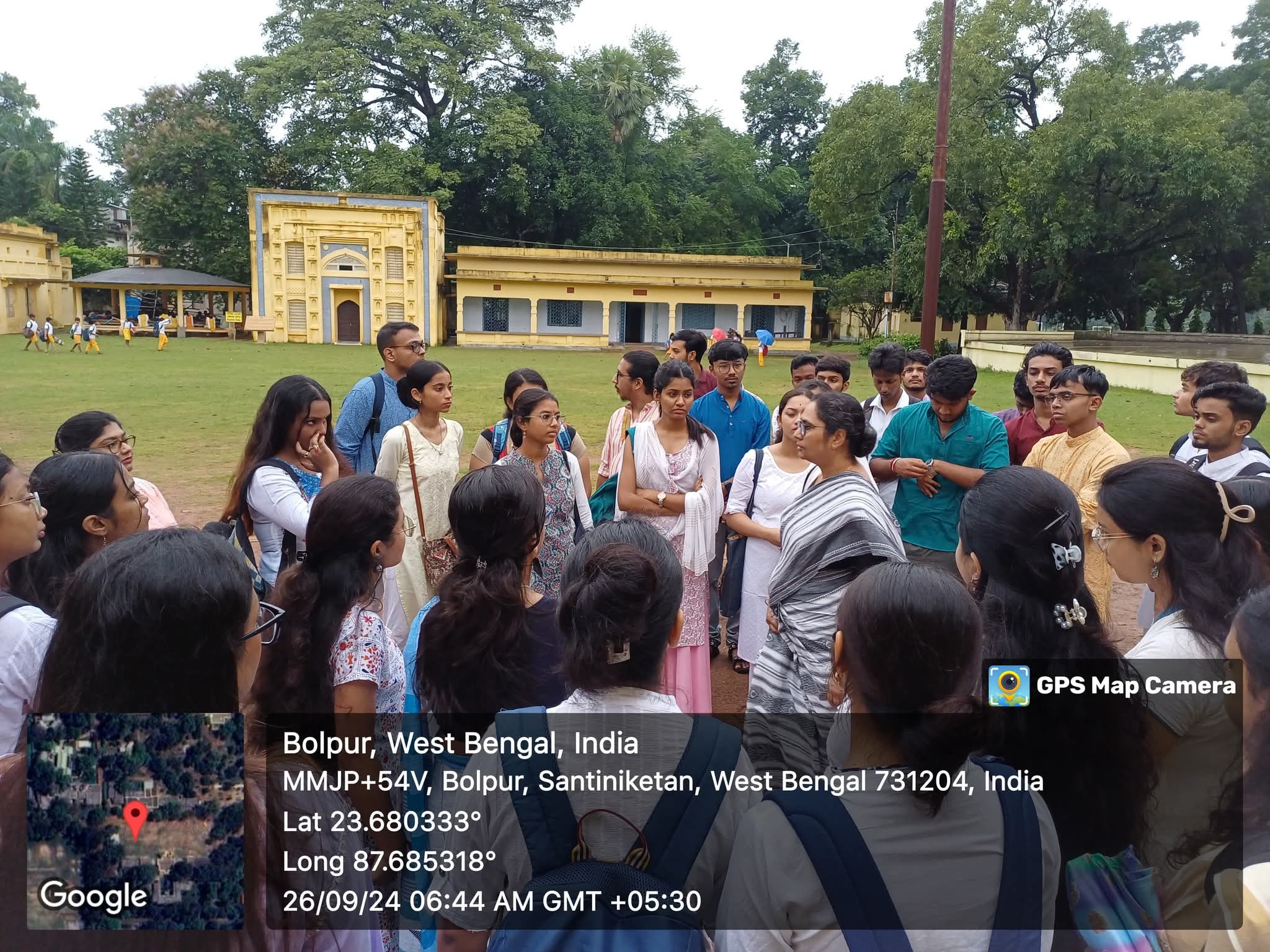
- Notification regarding outdoor class for MA Sem III CDA specialization students
- Notification regarding distribution of specialization courses of MA Sem III
- Notification regarding Ph.D. Viva Voce of Kaushik Mandal
- Notification regarding Ph.D. Viva Voce of Sri Ram Gupta
CENTRE FOR JOURNALISM & MASS COMMUNICATION (CJMC)

About The Department
The Centre for Journalism and Mass Communication (CJMC) at Visva-Bharati University embodies the institution’s humanistic academic vision, combining teaching, practice and research in a comprehensive ecosystem of media and communication studies. Established in 2000, CJMC has evolved into a leading centre for media education, innovation, and community engagement, offering postgraduate, doctoral and multidisciplinary undergraduate programmes that integrate heritage with modernity, theory with practice and local perspectives with global trends.
Rooted in Rabindranath Tagore’s philosophy of holistic learning and intercultural dialogue, CJMC nurtures critical thinkers, creative professionals and ethical communicators equipped to navigate the complexities of global media. Its academic framework spans digital journalism, international journalism, political communication, audio-visual journalism, communication design and film appreciation, preparing learners to address diverse audience needs through both traditional storytelling practices and emerging technologies.
The Centre also places a strong emphasis on visual literacy, design thinking and multimedia storytelling, thoughtfully integrating Indian Knowledge Systems (IKS) to merge traditional aesthetics with contemporary practices. Students explore evolving strategies in communication design, branding and cross-platform content creation, equipping them to craft impactful narratives that resonate across cultures and audiences.
Development Communication is one of CJMC’s defining strengths, where learners design projects and campaigns addressing sustainability, rural empowerment, health awareness and social inclusion, fostering a strong sense of community engagement and participatory communication practices. Equally central is Personality Development Training, introduced early in the curriculum to prepare students for leadership, adaptability, effective communication and professional confidence. Through structured workshops, simulations and reflective exercises, students develop public speaking, collaboration, negotiation and problem-solving skills — essential for thriving as communicators across global and diverse media environments.
CJMC also integrates AI learning across its academic framework, providing theoretical understanding and workshop-based insights into emerging tools and trends. Students explore AI-driven concepts such as automation, content curation, personalisation, sentiment analysis and fact-checking, along with exposure to digital tools relevant to journalism, storytelling and campaign strategies. Emphasis is placed on digital ethics, governance and AI transparency, ensuring learners develop a critical and responsible approach to technology in media.
CJMC’s doctoral programme advances scholarly excellence by combining theory, research design and mixed-method approaches. Scholars receive training in bibliometric analysis, PRISMA-based reviews and digital research tools, supported by mentoring in academic writing, ethics and seminar presentation.
Over the past two decades, CJMC has evolved into a centre that blends heritage and innovation, development and design and community engagement with digital transformation. By integrating development communication practices, personality development training, digital and audio-visual journalism, political communication, international perspectives, film appreciation and AI-enabled insights enriched by Indian Knowledge System frameworks, CJMC continues to prepare responsible, adaptive and visionary communicators ready to meet the challenges of a rapidly evolving global media ecosystem.

Photos
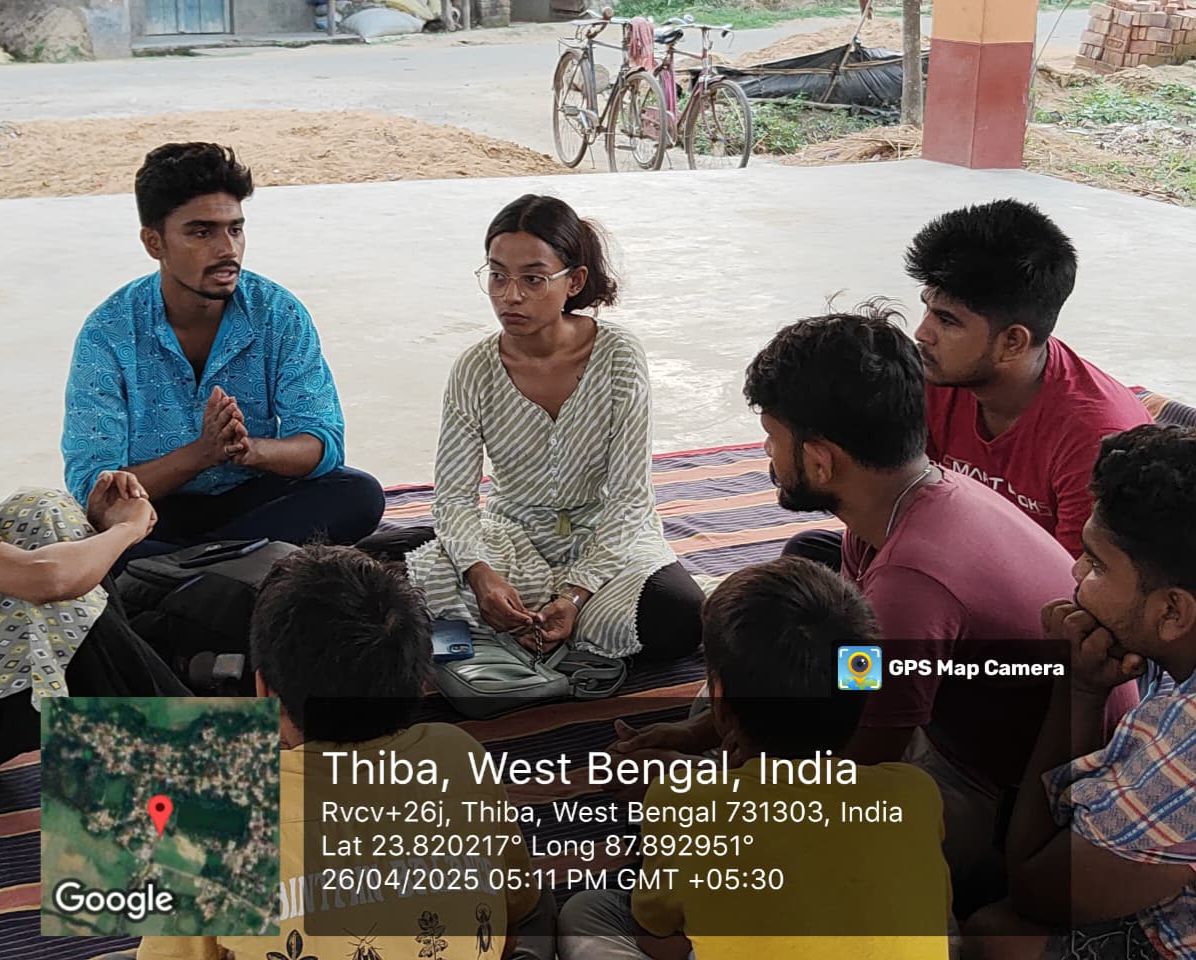
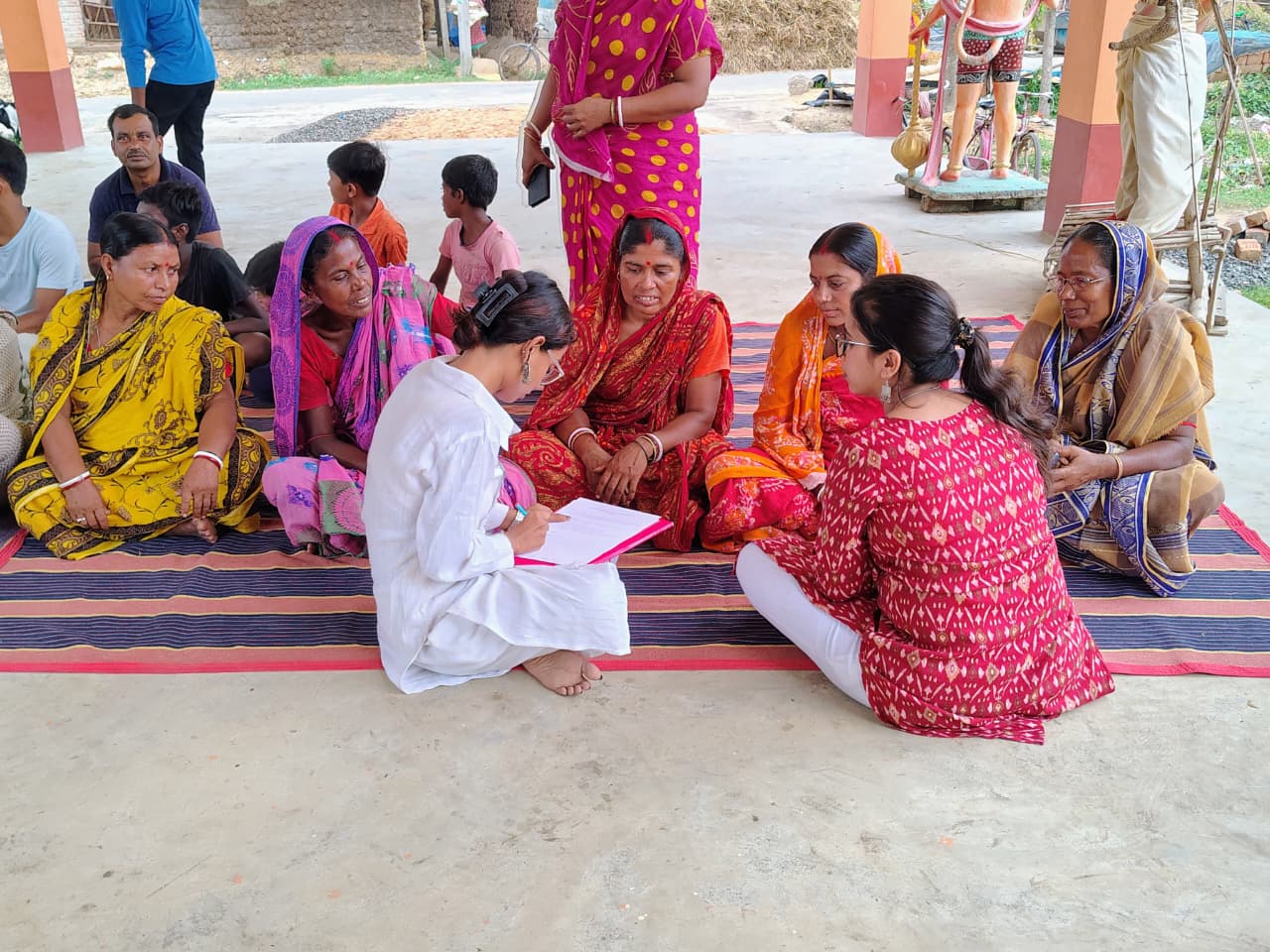
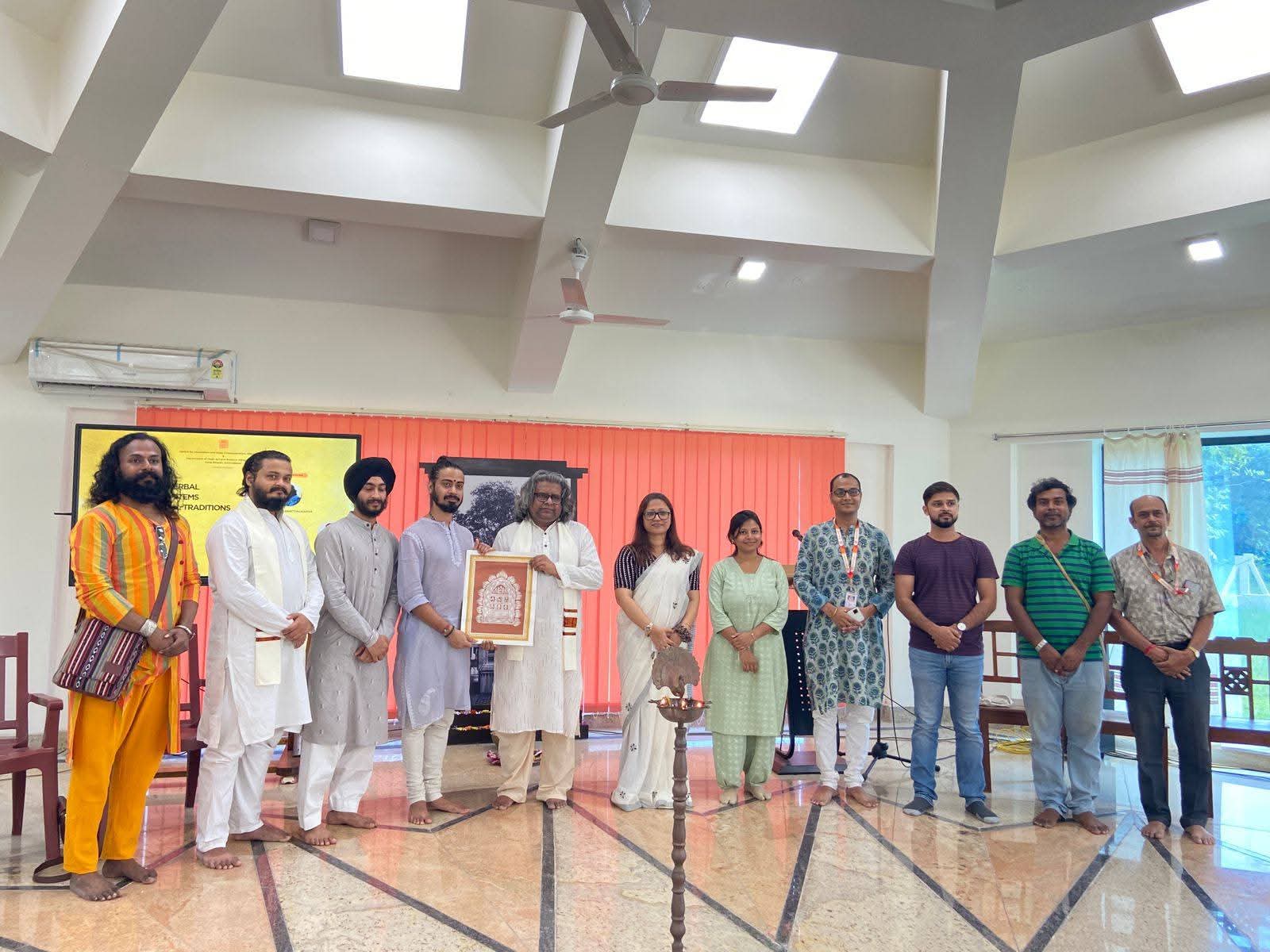
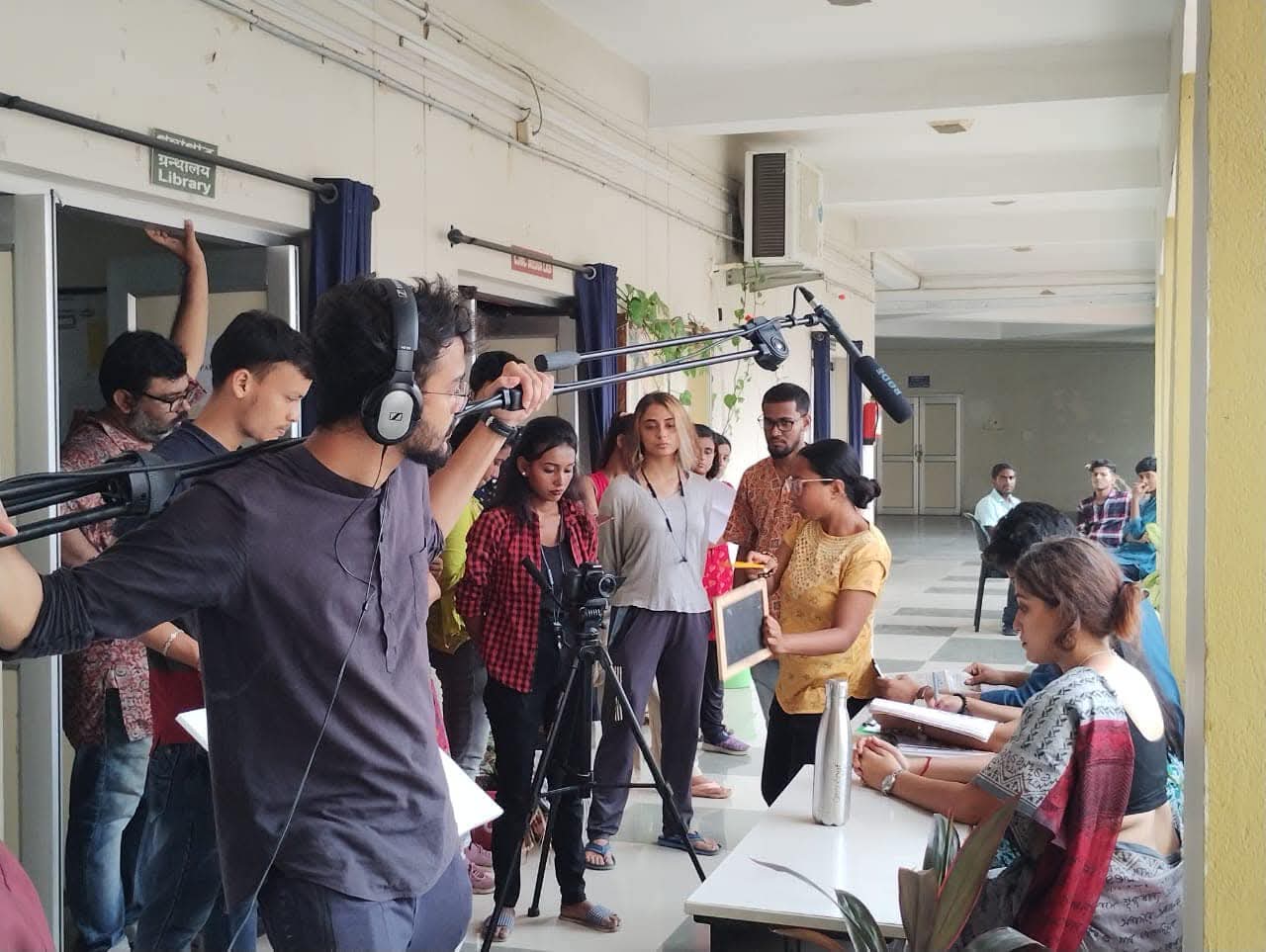
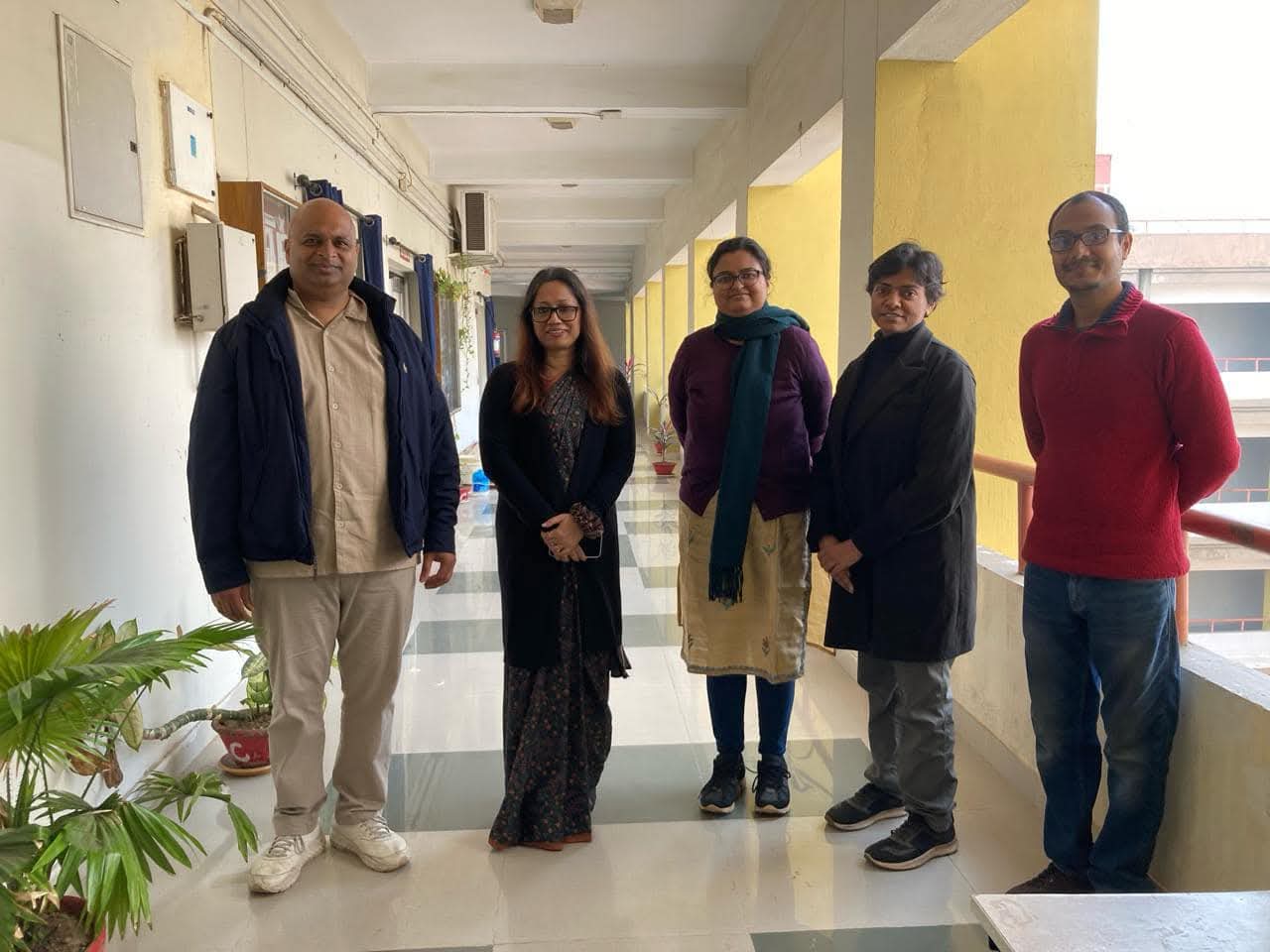
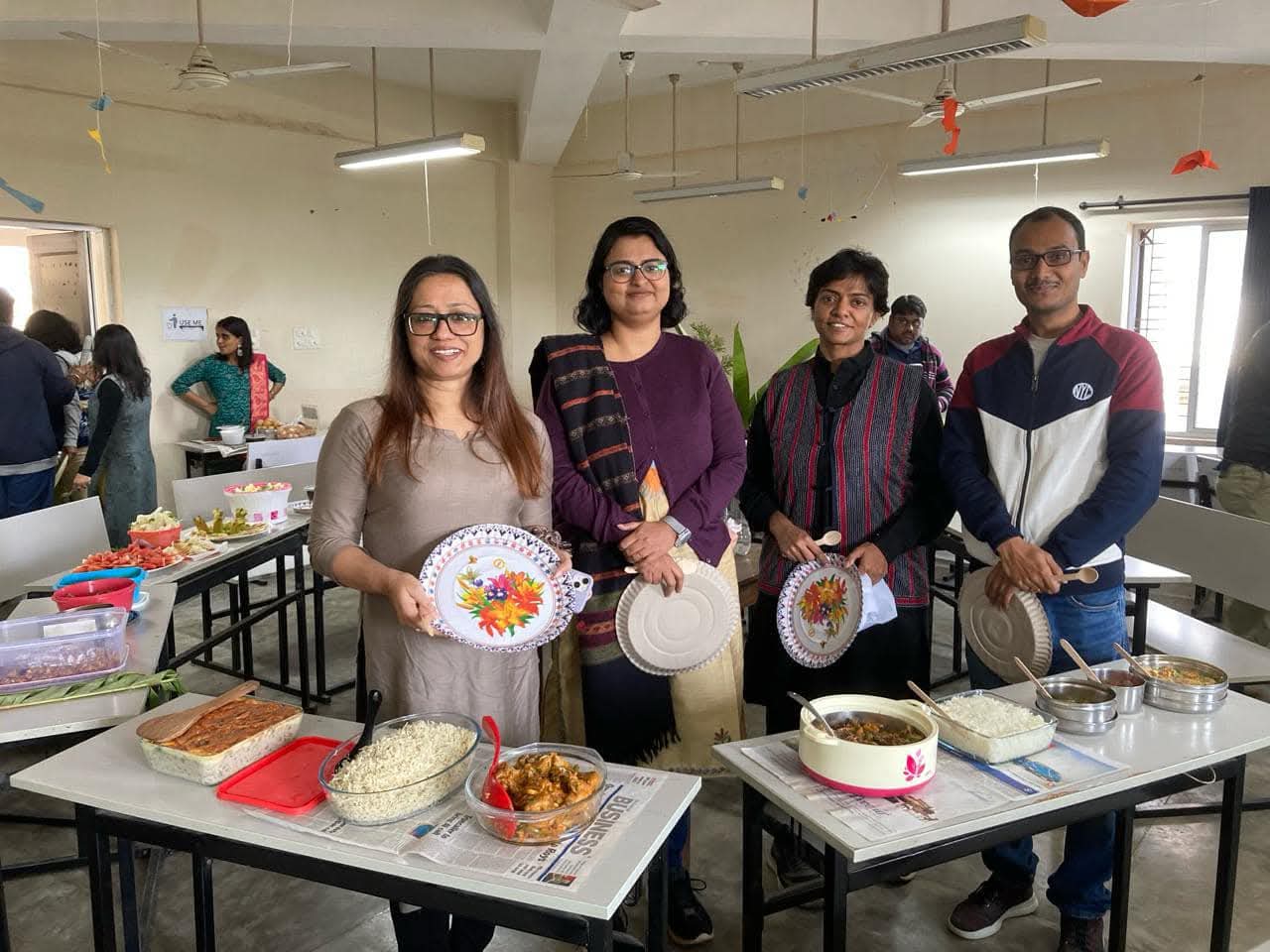
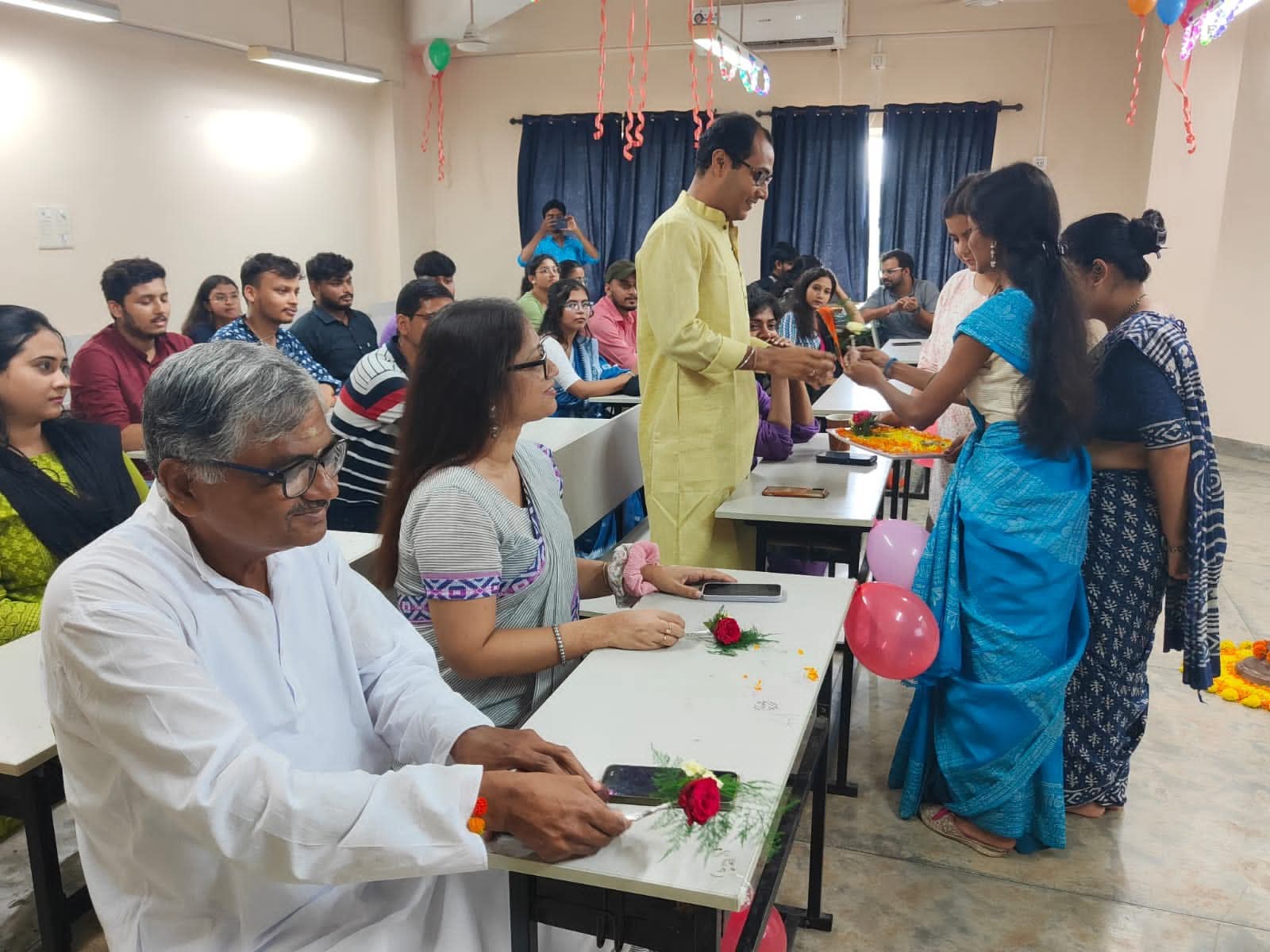
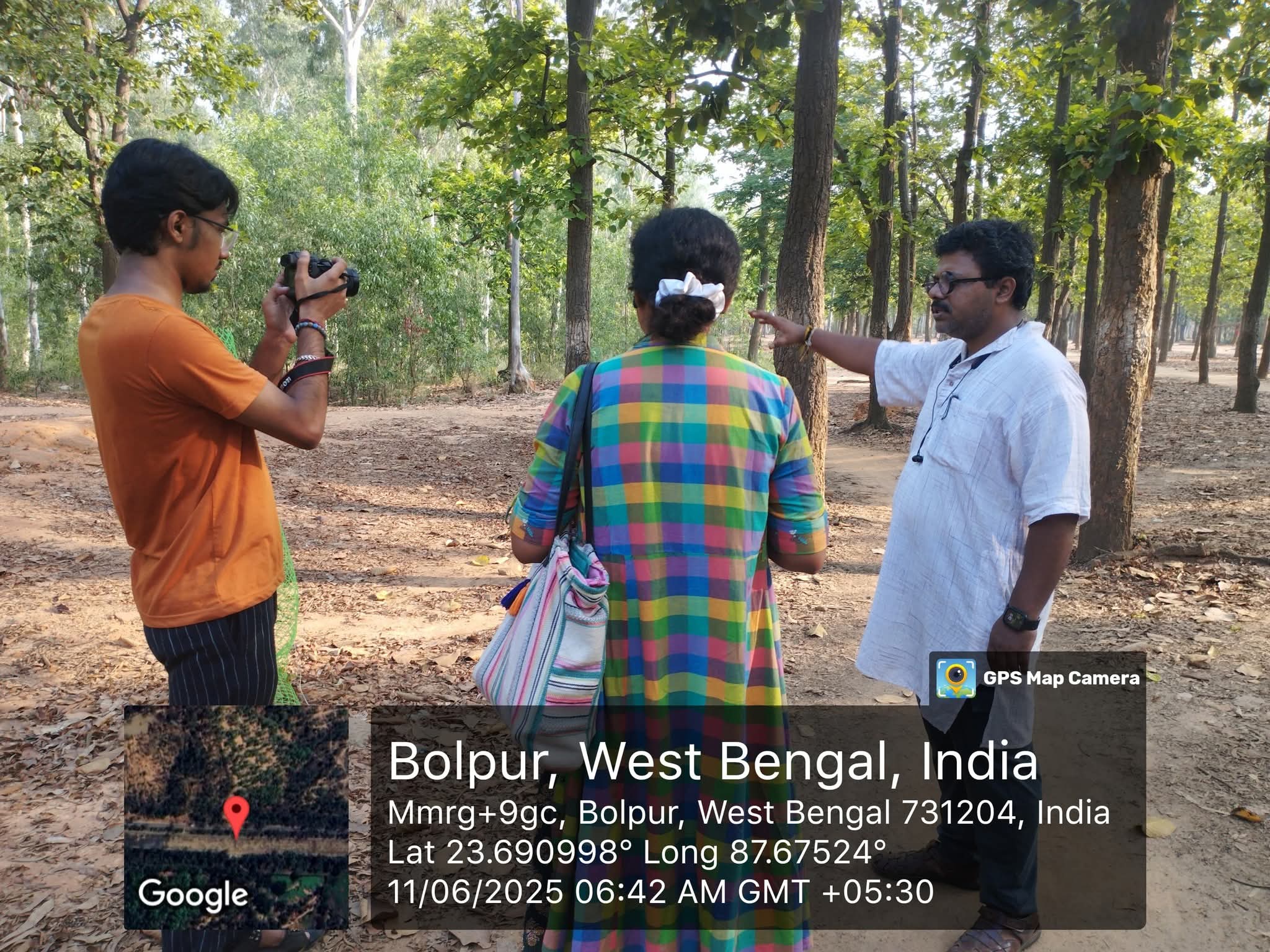
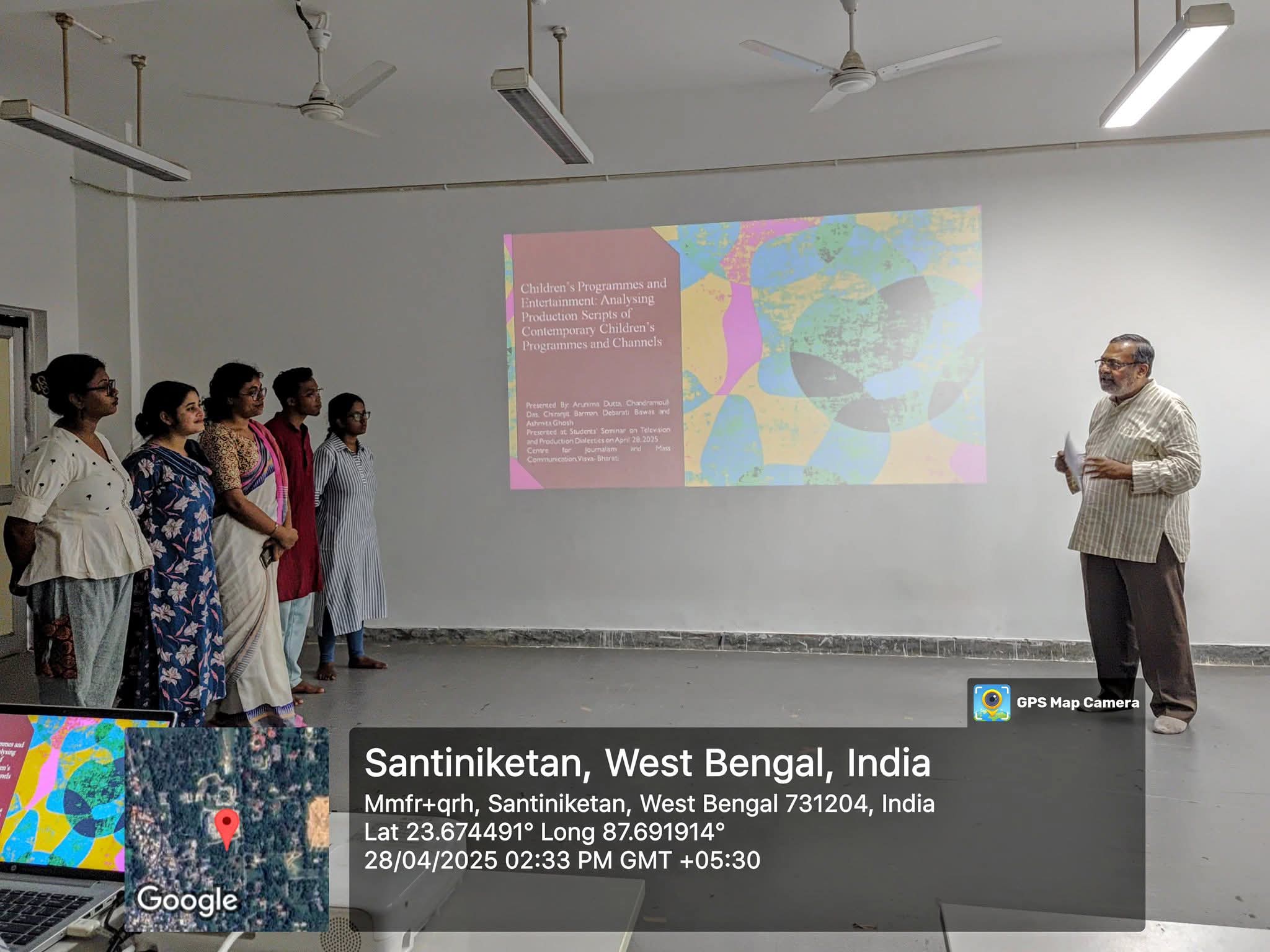
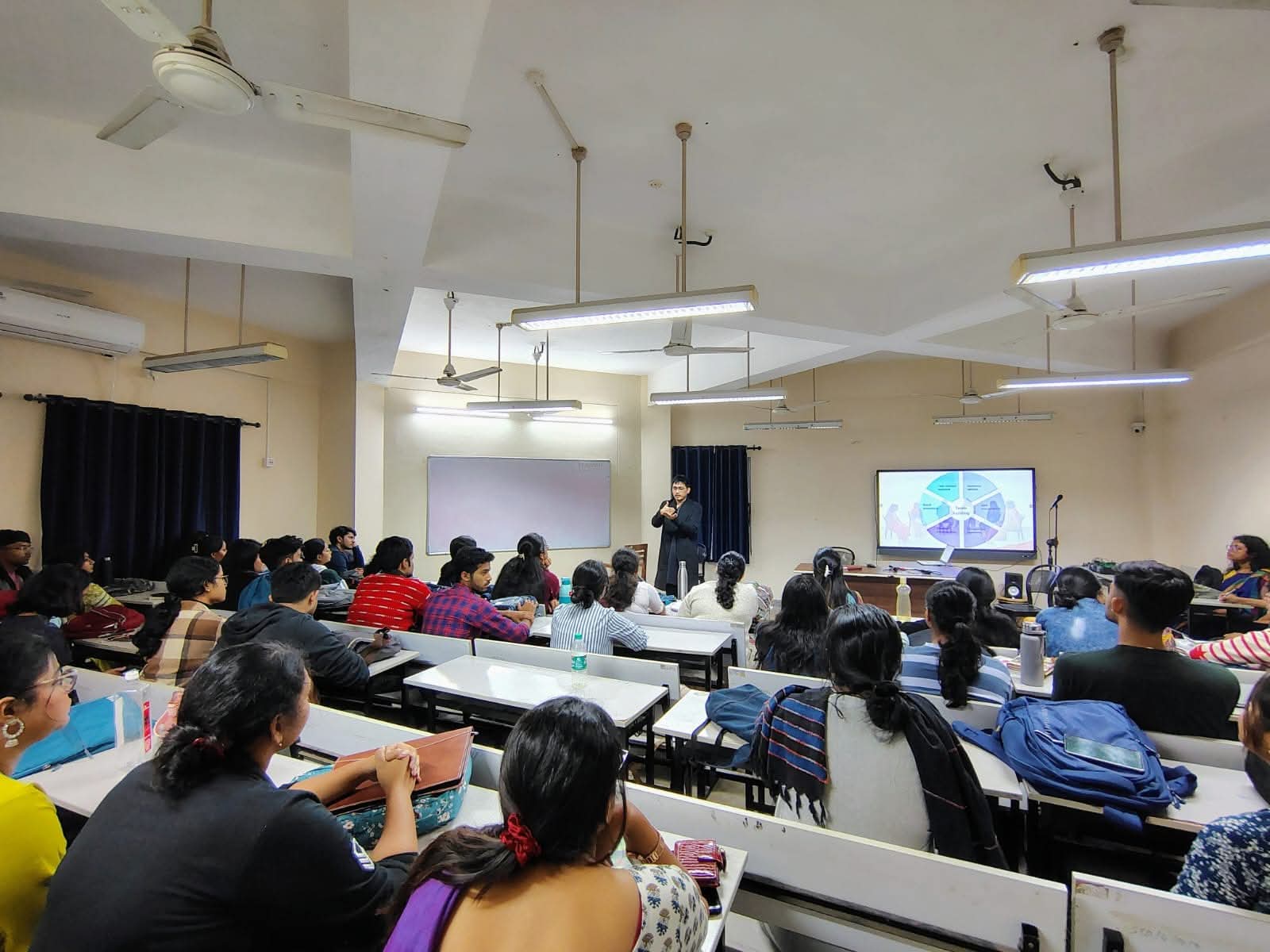
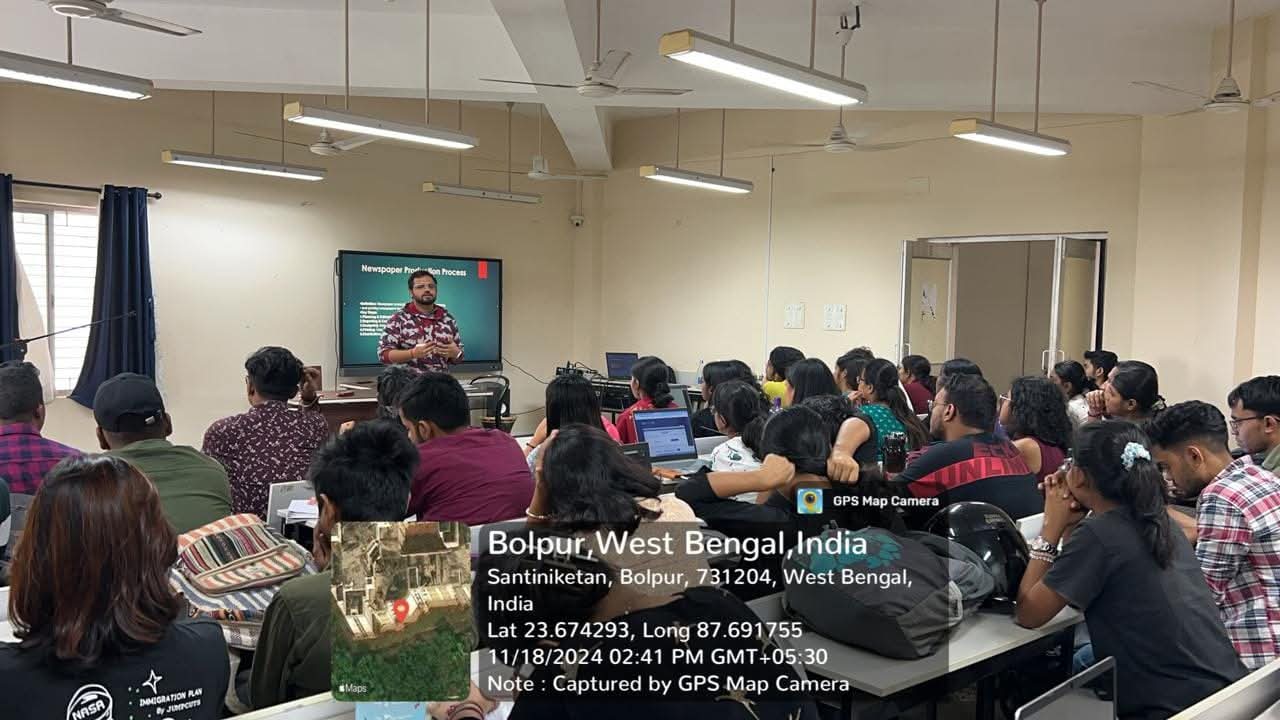
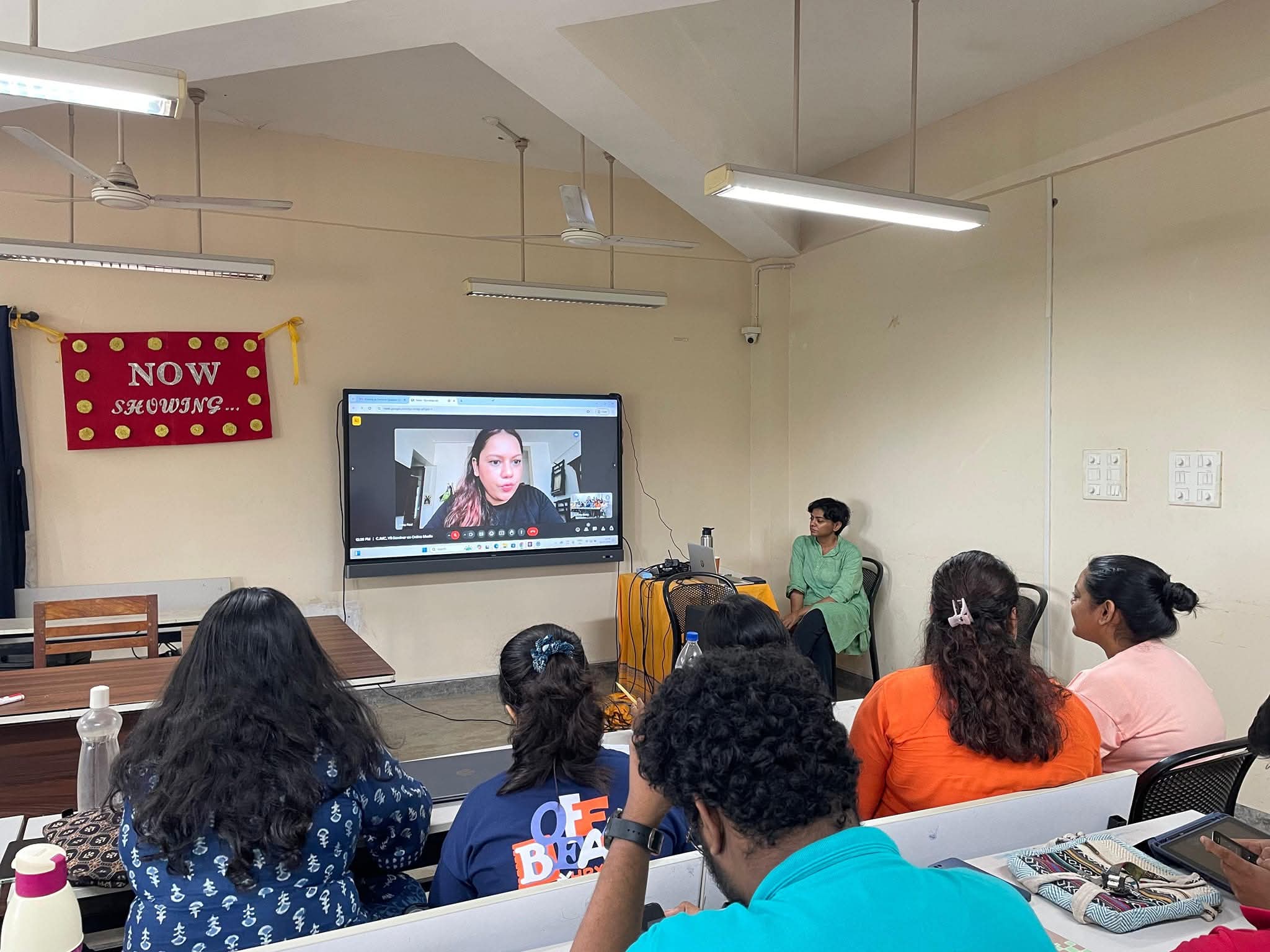
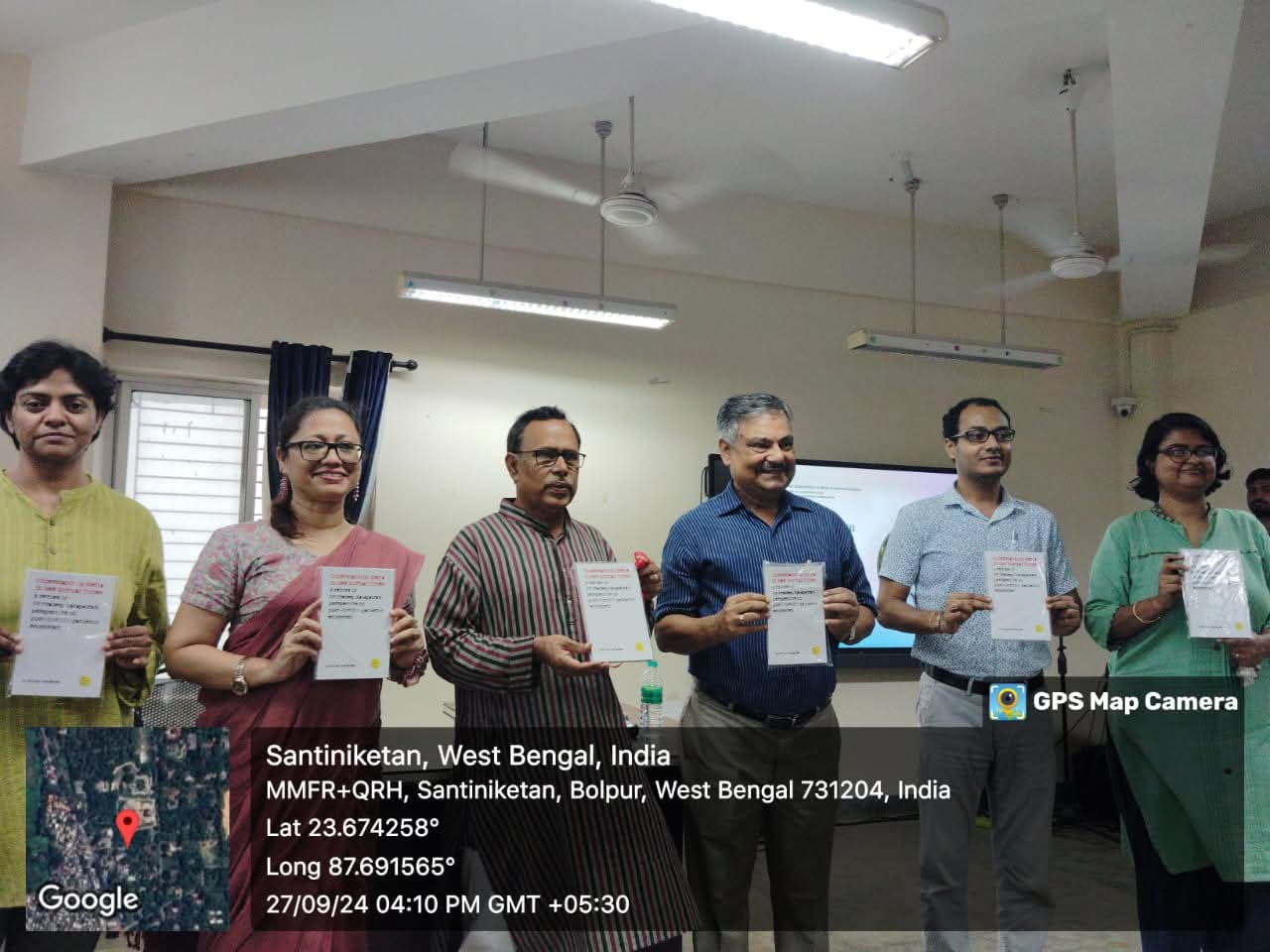
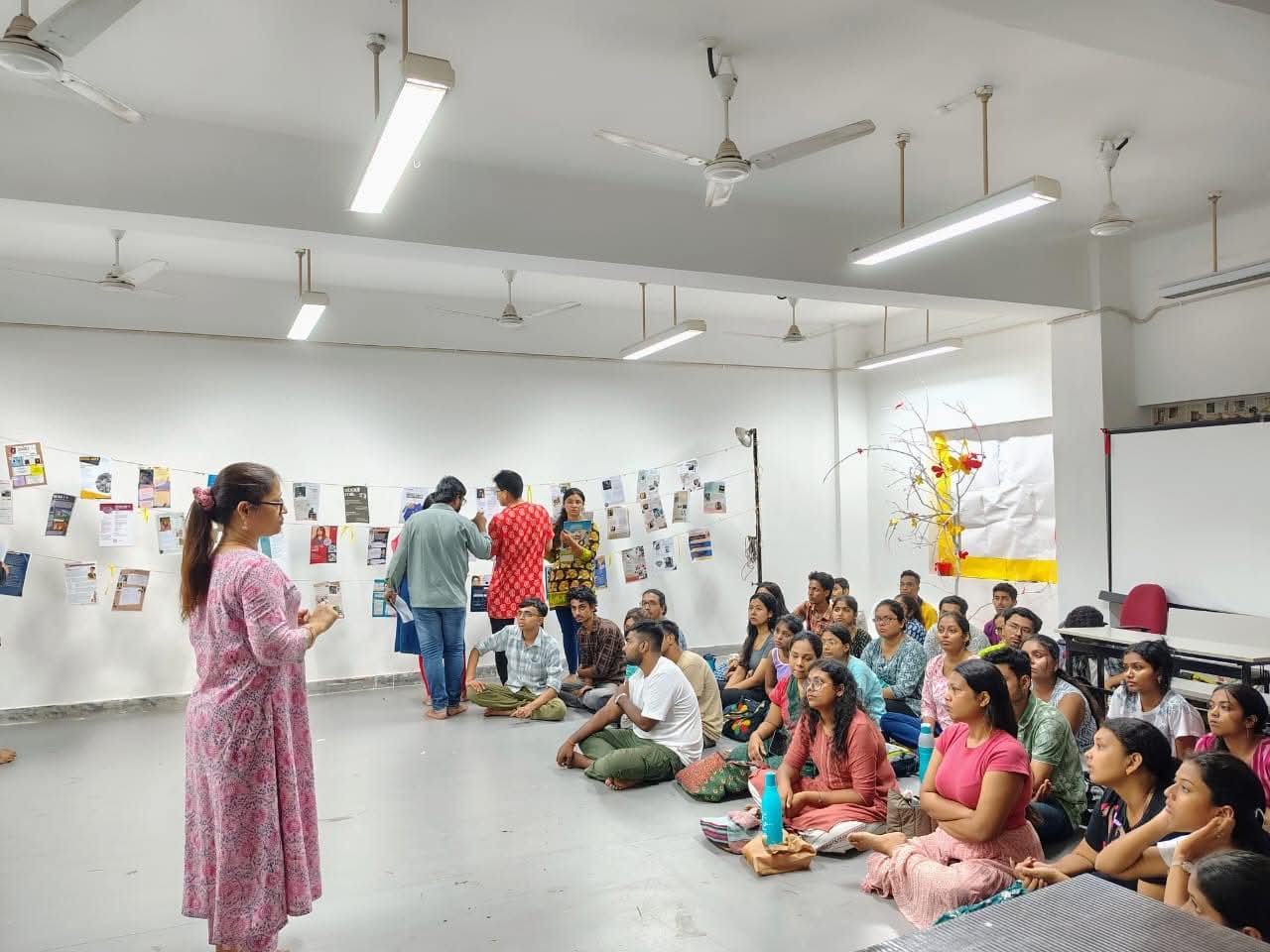
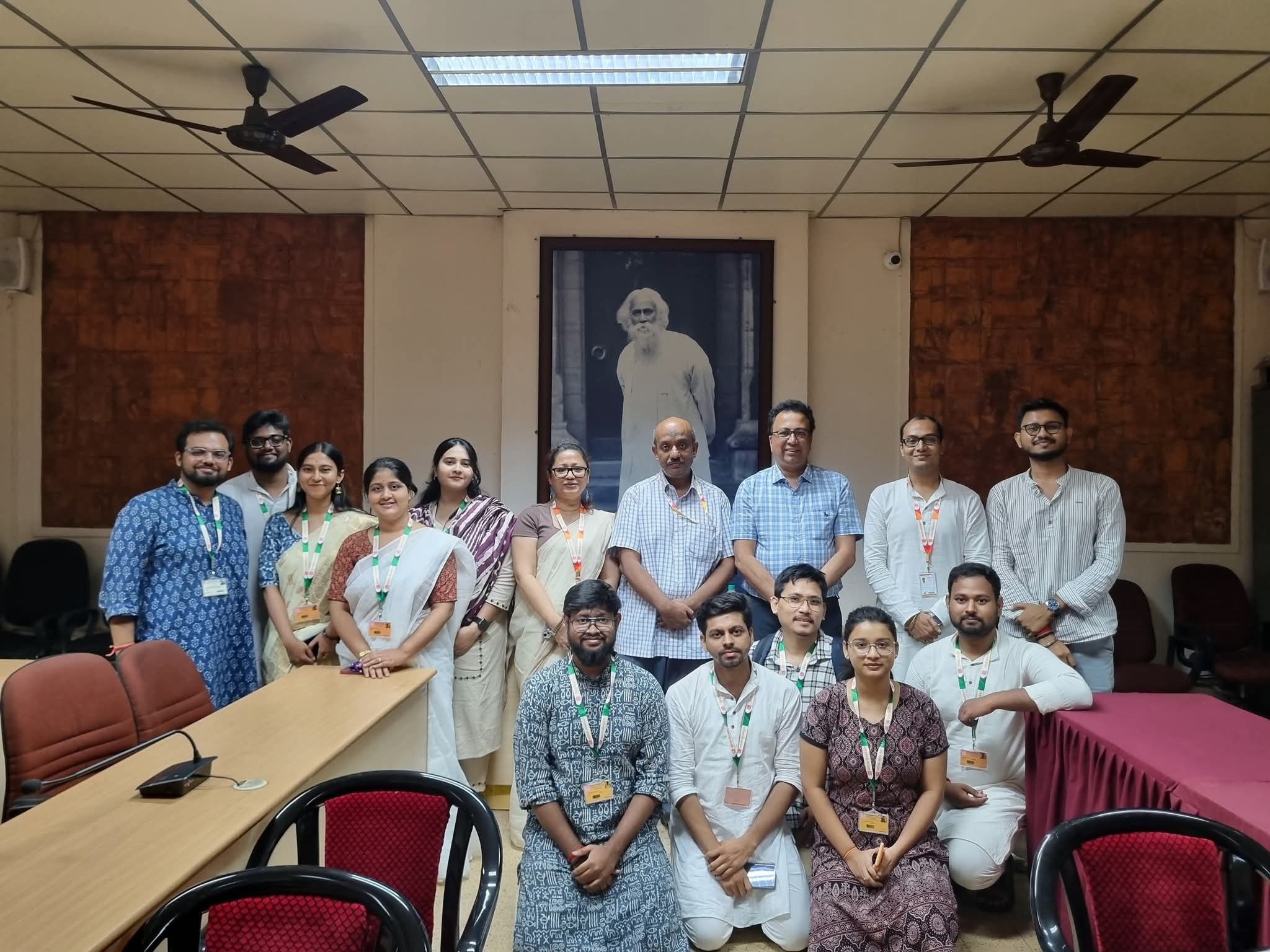
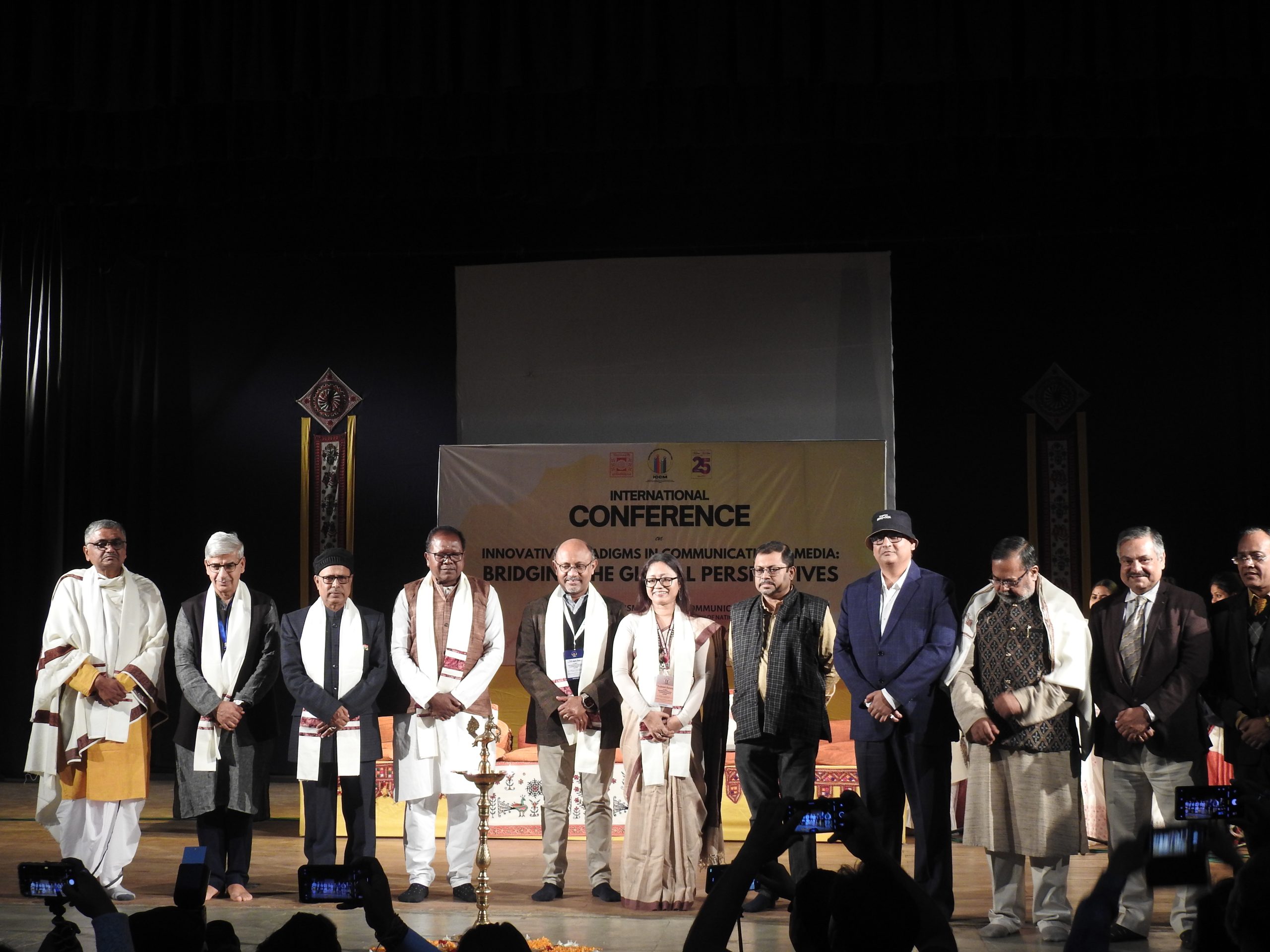
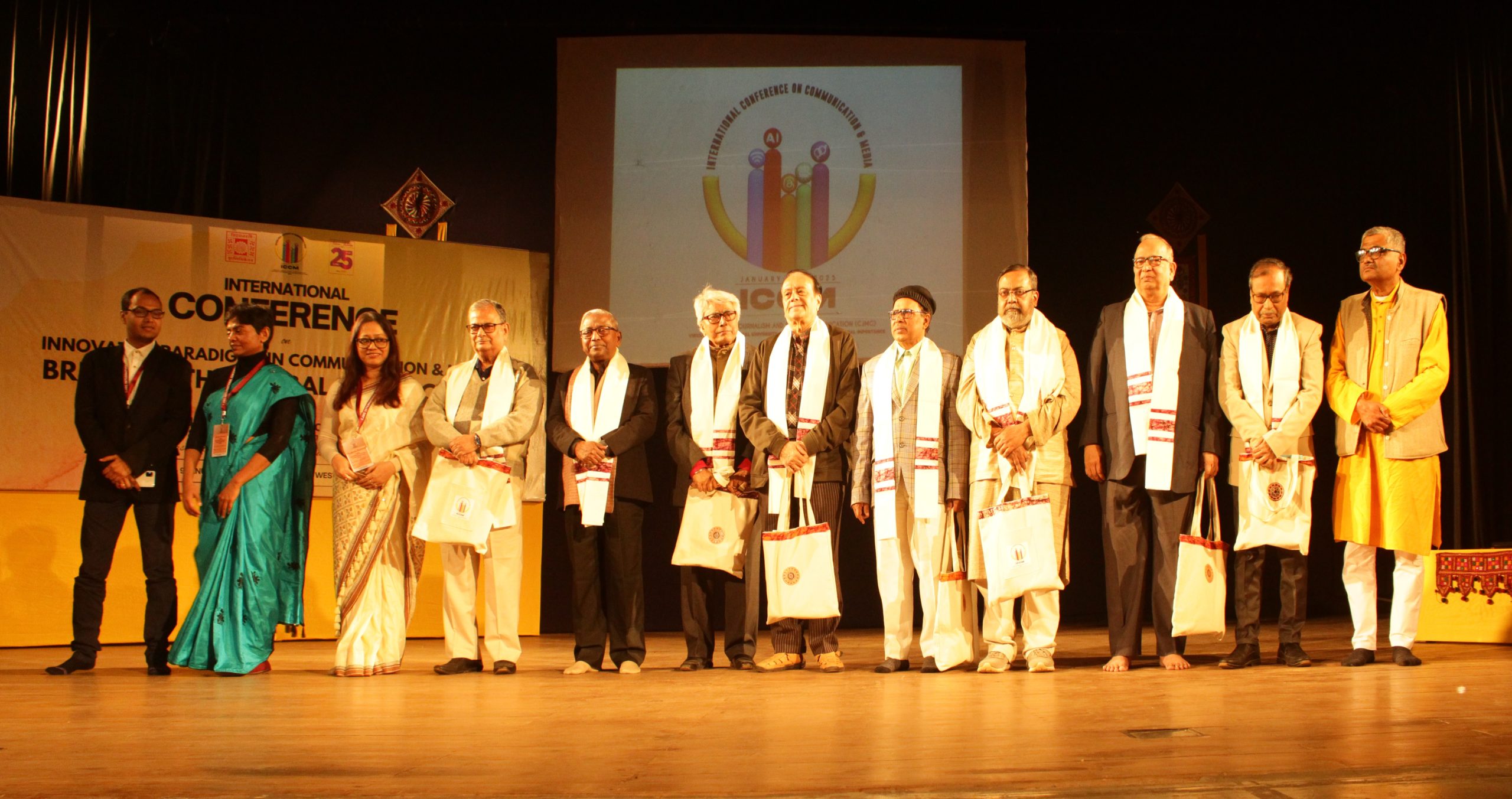

Conferences & Events
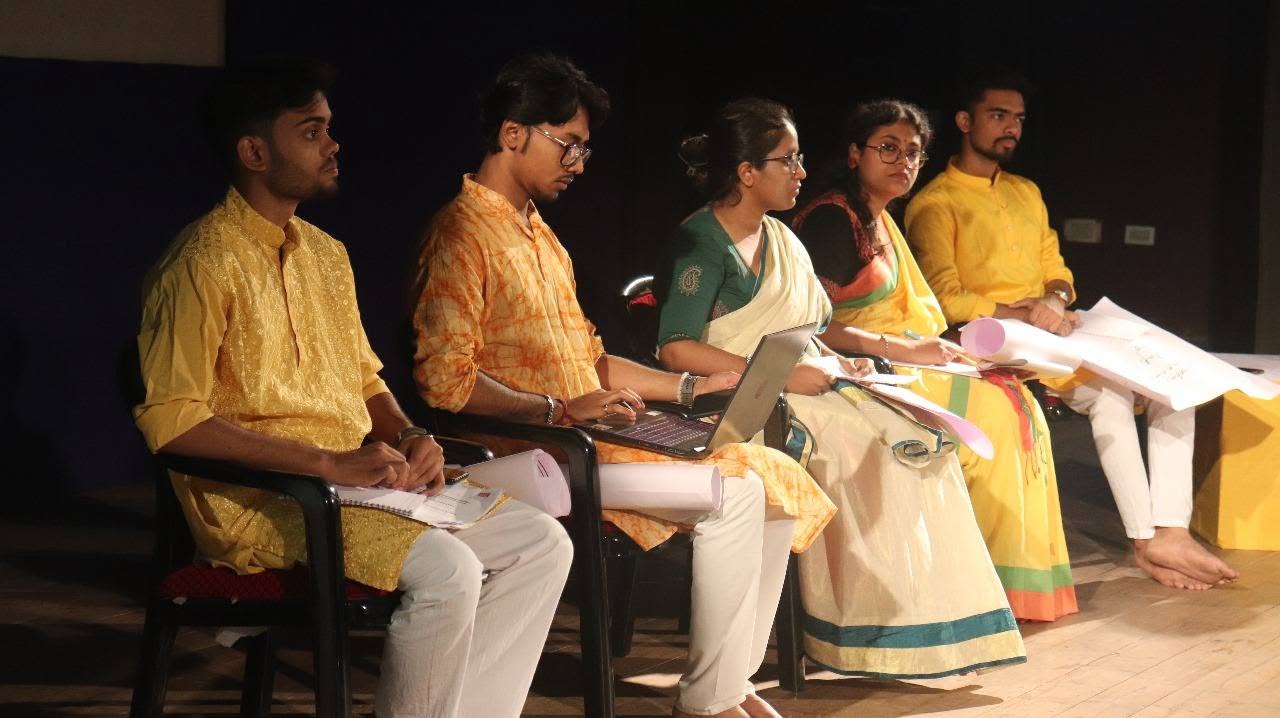
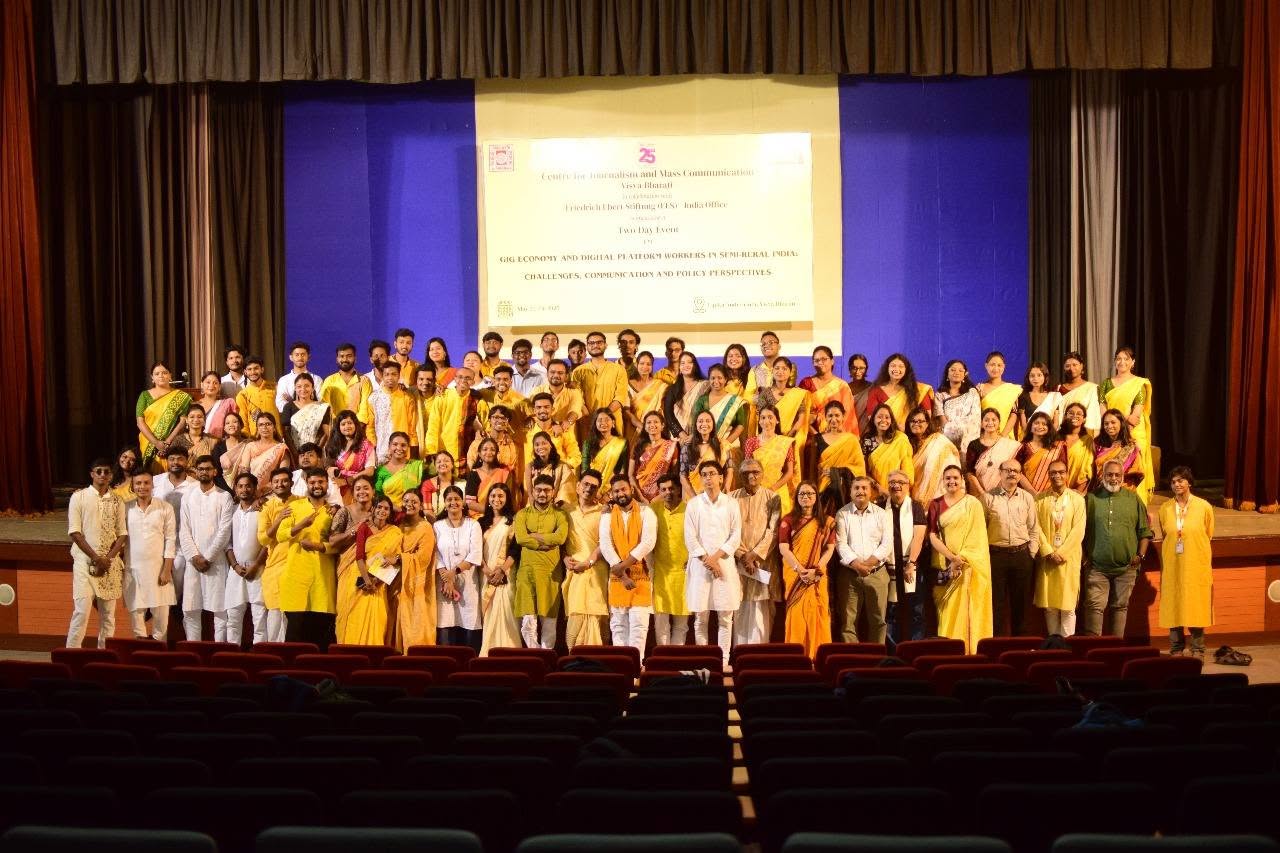
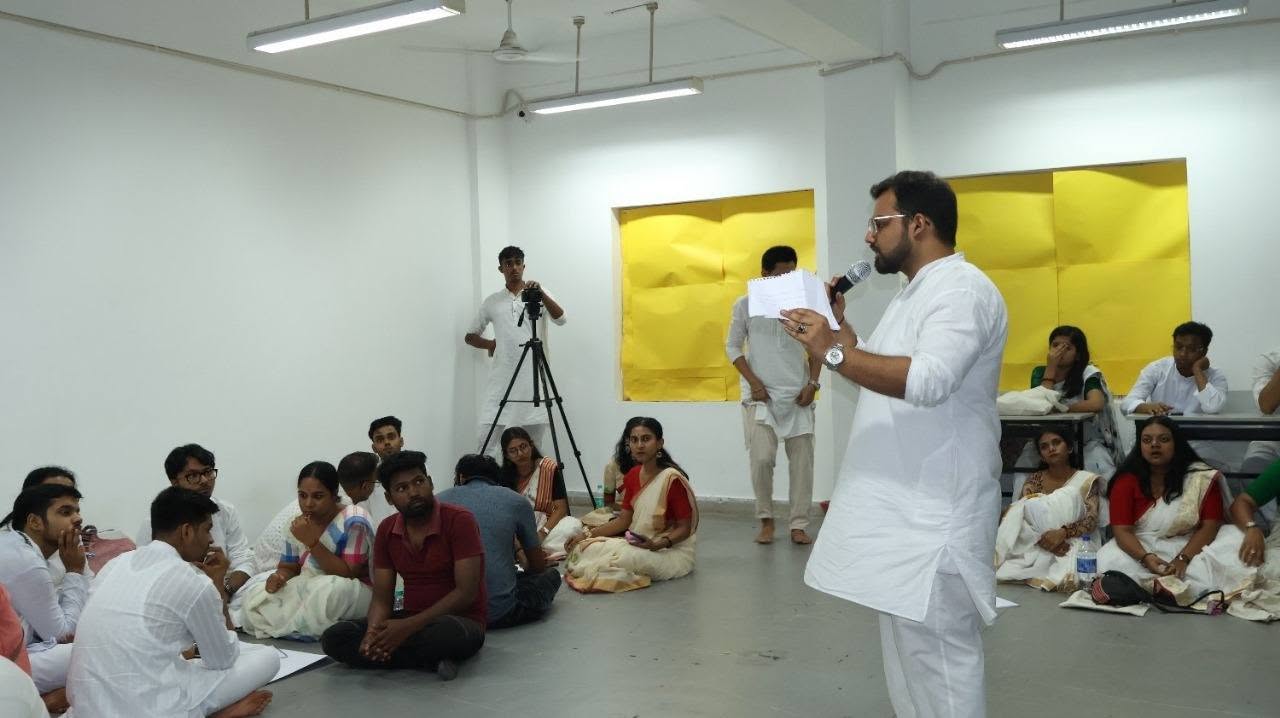
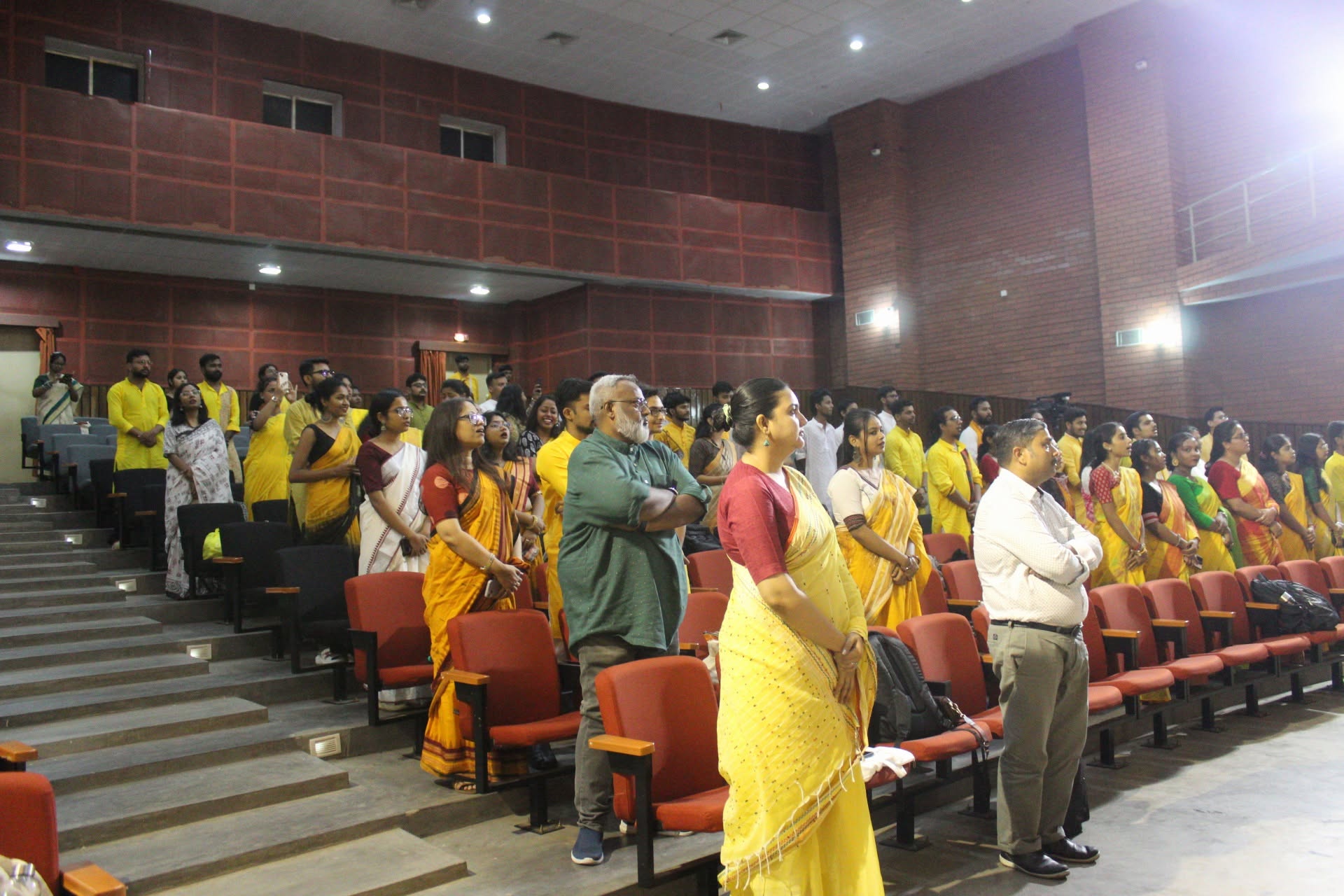
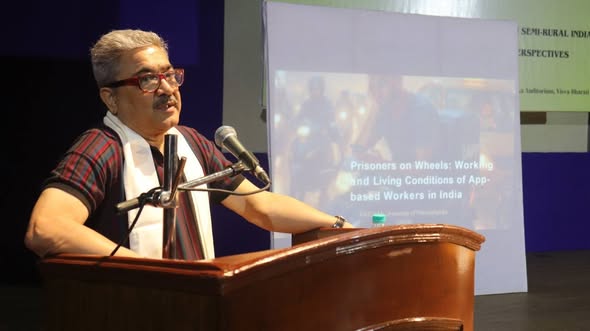
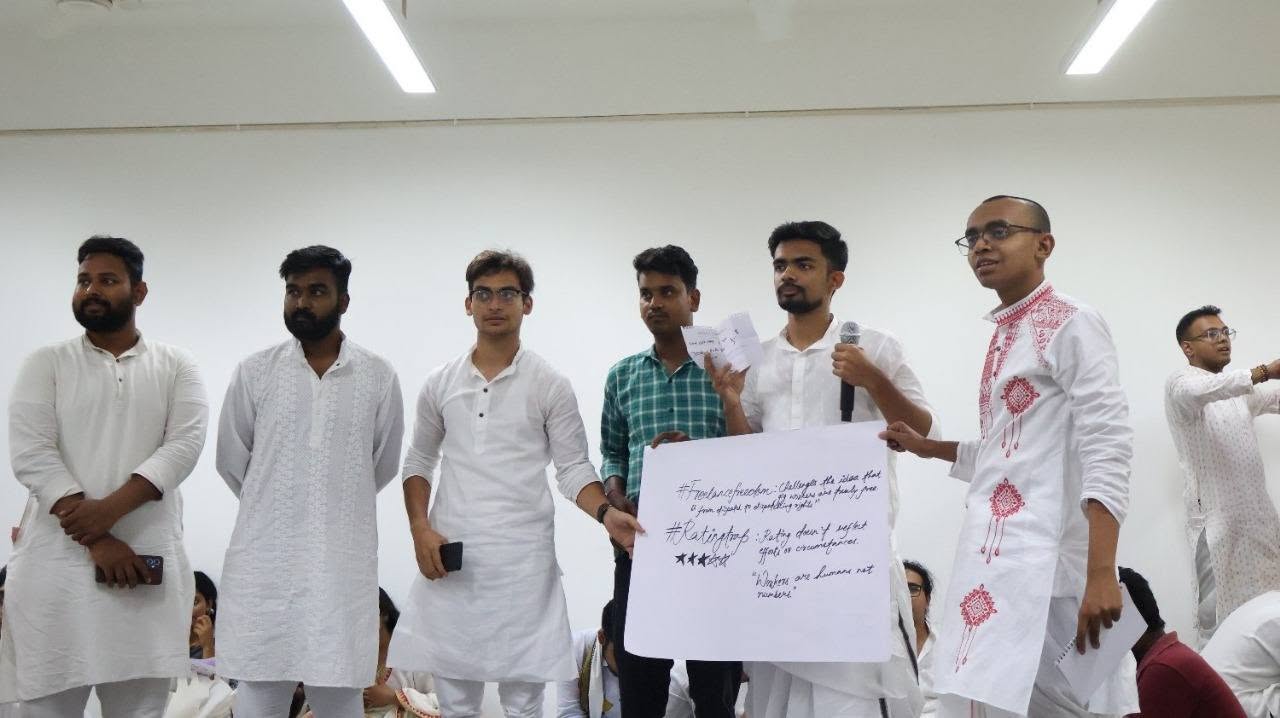
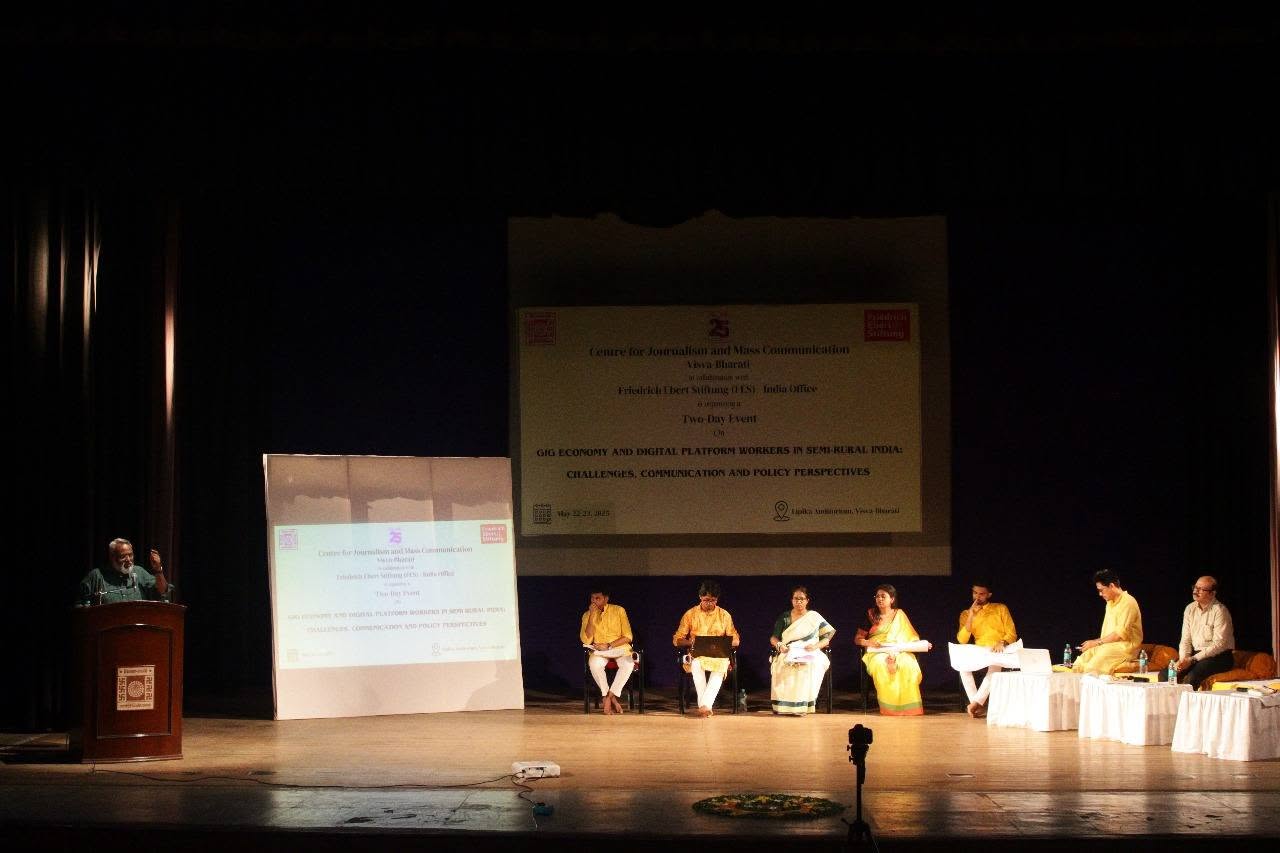
The two-day seminar “Gig Economy and Digital Platform Workers in Semi-Rural India: Challenges, Communication and Policy Perspectives,” organised by the Centre for Journalism and Mass Communication, Visva-Bharati, in collaboration with the Friedrich Ebert Stiftung (FES) India Office, on 22–23 May 2025, brought together academicians, researchers, students, gig workers and practitioners for meaningful discussions on the realities of platform-based work. Day 1 featured a panel discussion on communication practices, gendered realities and digital labour activism, followed by an interactive workshop where students engaged directly with Santiniketan-Bolpur-based gig workers and explored creative social media campaigns around their concerns. Day 2 focused on survey findings, policy perspectives and the PAIGAM report, followed by a student roundtable reflecting on their first-hand interactions with gig workers. The seminar concluded with a valedictory session, marking a meaningful culmination of the Centre’s year-long silver jubilee celebrations through dialogue, learning and collective reflection on the future of gig work.
On July 23–24, 2025, the Centre for Journalism and Mass Communication, Vidya Bhavana, together with the Department of Yogic Art and Science, Vinaya Bhavana, Visva-Bharati, Santiniketan, jointly organised a workshop on Indian Knowledge Systems (IKS) themed “Verbal and Non-Verbal Communication Systems in Indian Theatrical Traditions.” at Dhyan Kutir, Vinaya Bhavana, Visva-Bharati. The workshop was coordinated by Dr Dheeman Bhattacharyya, Assistant Professor, Centre for Comparative Literature, Visva-Bharati.
The first day of the workshop featured two sessions. The opening session explored the topic “What is ‘Indic Mode of Performance’?” and addressed common stereotypical theories that often dominate discussions around Indic performance practices, aiming instead to provide a foundational understanding for participants. The second session delved into the “Basic tenets of communication in the Indic methodology system as devised by seers down the ages,” reflecting on questions like how communication happens in this tradition, and whether it merely involves articulated procedures or something more profound, bridging daily and extra-daily practices.
On the second day, participants engaged with the multiple layers of Indian performative traditions, examining how these could be meaningfully integrated into the philosophy and practice of diverse academic disciplines within Visva-Bharati. The workshop offered an insightful journey into the rich tapestry of India’s traditional communication systems, encouraging interdisciplinary dialogue and reflection.
Centre for Journalism and Mass Communication (CJMC), Visva-Bharati, marked a significant academic milestone with the inauguration of the Visva-Bharati Chronicle (VBC) Annual Lecture on 11 December 2025 at Bangladesh Bhavana, Visva-Bharati, Santiniketan. The inaugural lecture, titled “Reimagining Development Journalism: Ethics, Evidence and Public Purpose in India’s Changing Media Landscape,” was delivered by Prof. K. V. Nagaraj, an eminent media scholar and former Pro-Vice Chancellor of Assam Central University.
The session was joined by Dr Snehasis Sur, President of the Press Club Kolkata, as the discussant, who enriched the lecture through critical reflections and engagement. In his lecture, Prof. Nagaraj critically engaged with the concepts of development and development journalism, highlighting their ethical foundations, evidentiary responsibilities, and evolving challenges within India’s contemporary media ecosystem.
His insightful address set a strong academic tone for the VBC Annual Lecture series and its future engagements, marking a meaningful and impactful launch of this scholarly initiative.
Centre for Journalism and Mass Communication (CJMC), Visva-Bharati, in collaboration with UNICEF, has initiated a national academic and professional engagement under the project “Reimagining Development Journalism: Ethics, Evidence and Public Purpose in India’s Changing Media Landscape.” The initiative seeks to promote ethical, evidence-based and community-rooted journalism through sustained dialogue, capacity building and institutional collaboration. As the first activity under this project, the National Roundtable on Development Journalism: Establishing the Visva-Bharati Hub for Evidence-Based Media Practice was held on 12 December 2025 at Bangladesh Bhavana, Visva-Bharati, Santiniketan.
The Roundtable brought together twenty-seven representatives from twelve institutions across India, five media establishments, and five other departments of Visva-Bharati, comprising eminent academicians, media practitioners and policy stakeholders. The deliberations focused on curriculum innovation, rural documentation, media capacity building, digital knowledge infrastructure and responsible development reporting, underscoring the need for journalism that remains deeply connected to communities and lived social realities.
This collaboration reflects a shared commitment of CJMC, Visva-Bharati and UNICEF to nurturing development journalism grounded in social responsibility, inclusivity and democratic values. Emerging from these collective deliberations, the initiative to establish the National Development Journalism Hub (NDJH) at Visva-Bharati aligns with the vision of NEP 2020 and the university’s ongoing efforts to strengthen industry–academia–community linkages, marking a significant institutional step towards enhancing media literacy and democratic communication.
On 13th August, Centre for Journalism and Mass Communication, Vidya Bhavana, Visva-Bharati, in collaboration with the Viksit Bharat Cell, Visva-Bharati, and the Artificial Intelligence Committee, Visva-Bharati, jointly organised a special lecture on “AI for India: Charting the Road Ahead.” The lecture was delivered by Prof Manash P. Goswami, Professor and Head of the Department of Journalism and Mass Communication, North-Eastern Hill University, Shillong, Meghalaya. Prof Goswami discussed the transformative potential of artificial intelligence in driving India’s development across diverse sectors. He highlighted the opportunities AI presents for innovation, efficiency, and inclusivity, while also addressing the ethical, social, and policy challenges that must be navigated to ensure responsible adoption. The session offered participants an insightful roadmap for integrating AI into India’s growth trajectory, inspiring meaningful dialogue on its future prospects.
International Conference held on 26-27 February 2026
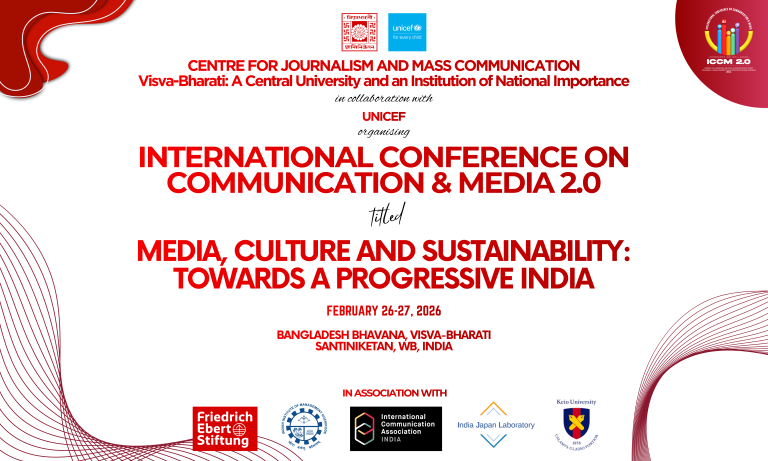
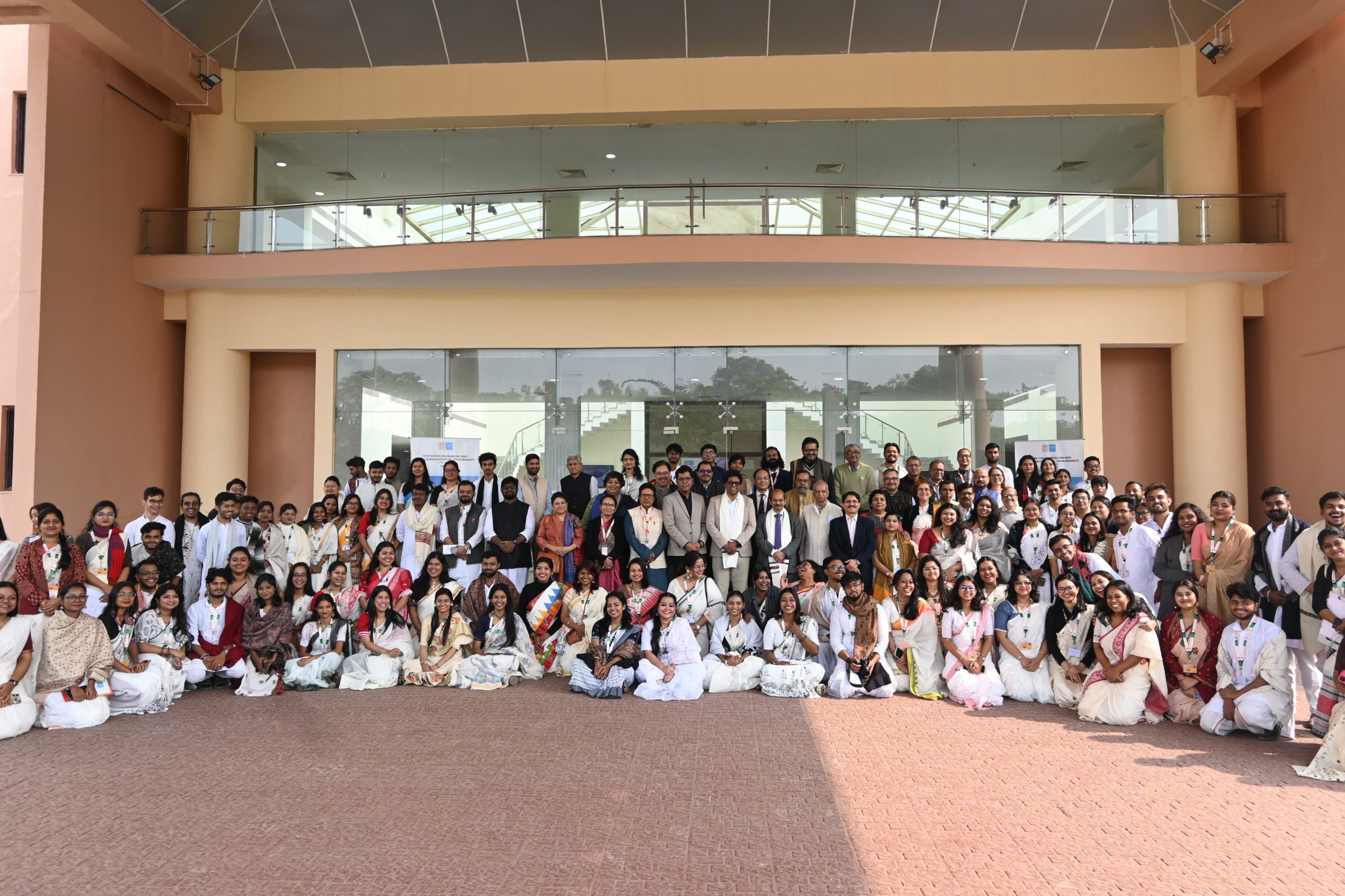
The International Conference on Communication & Media 2.0, “Media, Culture and Sustainability: Towards a Progressive India,” organized by the Centre for Journalism and Mass Communication, Visva-Bharati, in collaboration with UNICEF and in association with IIM Kozhikode, the International Communication Association (India), the India Japan Laboratory, Keio University, and the Friedrich Ebert Stiftung (FES) India Chapter, concluded successfully at Bangladesh Bhavana, Santiniketan on 26–27 February. Over two days, the conference brought together scholars, academicians, researchers and media practitioners from India and abroad. The event fostered meaningful dialogue on media, culture, sustainability, communication ethics and inclusive futures, encouraging interdisciplinary collaboration and critical reflection.
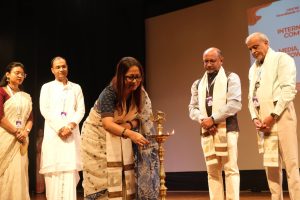
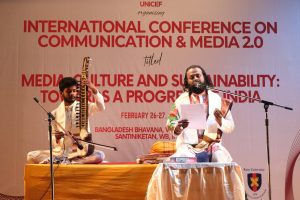
Centre for Journalism and Mass Communication (CJMC), Visva-Bharati, in collaboration with UNICEF, successfully organized a two-day Journalists’ Orientation Program on Green Journalism on 9–10 March 2026 which aimed to introduce and strengthen the practice of climate and development journalism. The sessions featured distinguished speakers including Dr Jayanta Basu, Dr Snehasis Sur, Dr Uma Shankar Pandey and Prof Arunendu Banerjee, who discussed themes such as climate geopolitics, environmental architecture in Santiniketan, climate justice and the prerequisites for responsible climate reporting. The program also included a field visit to a climate-affected hotspot in Santiniketan, enabling the participating journalists to engage with real-world environmental challenges. Interactive discussions on story ideas and the drafting of a syllabus for a future Green Journalism course further highlighted the commitment to advancing climate communication and building capacity in sustainable and responsible journalism.
Centre for Journalism and Mass Communication, Visva-Bharati in collaboration with CRY and ICC successfully organized a two-day Orientation Programme for Media Students and Training of Trainers on 16th and 17th March, 2026 aimed at strengthening the discourse on development communication and reporting on children. The Training of Trainers sessions focused on critical themes such as tribal children’s communication, the role of photography and videography in advocacy and responsibilities of media in driving social change. The second day engaged media students through interactive presentations and discussions on essential topics like media ethics in reporting on children, early childhood care and education, child health and nutrition, child protection and the impact of climate change on children. The programme concluded with discussions on assignments and evaluation, allowing a comprehensive understanding among participants and encouraging responsible, sensitive and informed media practices.
Centre for Journalism and Mass Communication in collaboration with UNICEF, organised an online training session on “Green Journalism” on May 29, 2026, from 11:30 AM to 12:30 PM. The session brought together eminent media and environmental communication experts and journalists to discuss the growing significance of environmental reporting and climate-sensitive journalism in contemporary society.
The programme featured Dr Sanjay Vashist, Director, Climate Action Network South Asia (CANSA) as an invited speaker. In his address, Dr Vashist highlighted the crucial role of journalists in addressing climate change, environmental degradation and sustainability issues through responsible and informed reporting.
Dr Jayanta Basu, Environment and Climate Change Communication Specialist, Senior Journalist, joined the session as both speaker and moderator.
The session also featured insightful remarks by Dr Snehasis Sur, who shared his perspectives on environmental communication and the responsibility of media institutions in promoting ecological awareness among the public.
The interactive session proved to be highly informative and engaging for scholars and journalists. It successfully created a platform for meaningful discussion on the role of journalism in addressing environmental challenges and promoting sustainable development.
Visva-Bharati, through the Centre for Journalism & Mass Communication (CJMC), successfully participated in the Skill Development Programme on “Journalism and Mass Communication: Focusing on Photography, Videography and Reporting” for students of Eklavya Model Residential School (EMRS), Bolpur, Birbhum.
The programme was organised by the Cultural Research Institute, Department of Backward Classes Welfare and Tribal Development, Government of West Bengal, with financial assistance from the Ministry of Tribal Affairs, Government of India, and was held from 22–26 June 2026.
Faculty members and research scholars from CJMC provided hands-on training in reporting, photography, videography, mobile journalism, interview techniques, visual storytelling, ethical media practices and the use of smartphones for creating meaningful media content.
The initiative aimed to strengthen communication skills, media literacy, creativity and confidence among young learners, while encouraging them to document their surroundings, communities and lived experiences through responsible and engaging media practices.
Visva-Bharati is glad to be associated with this meaningful outreach and skill-development initiative for EMRS students.
Departmental Activities
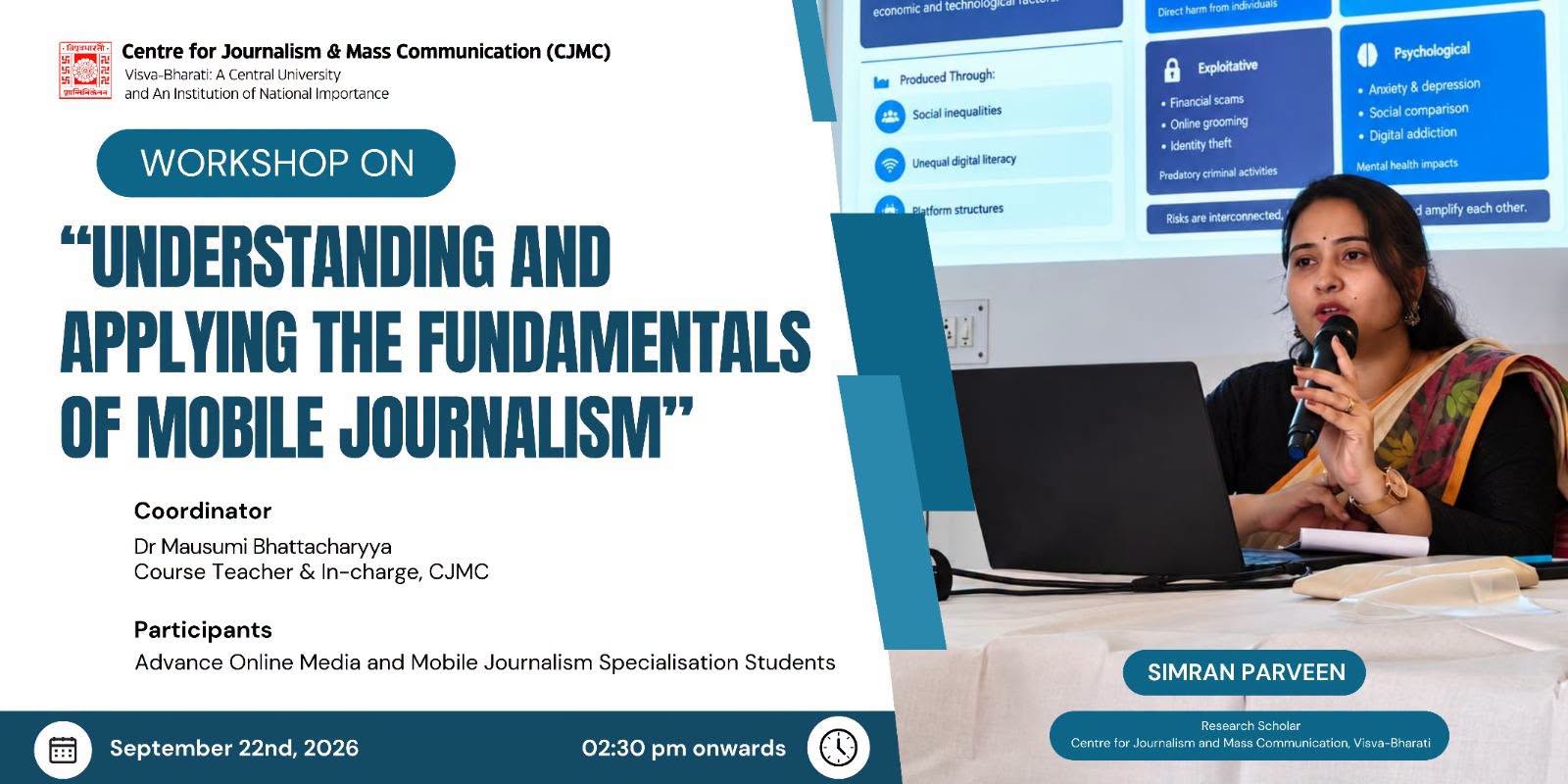
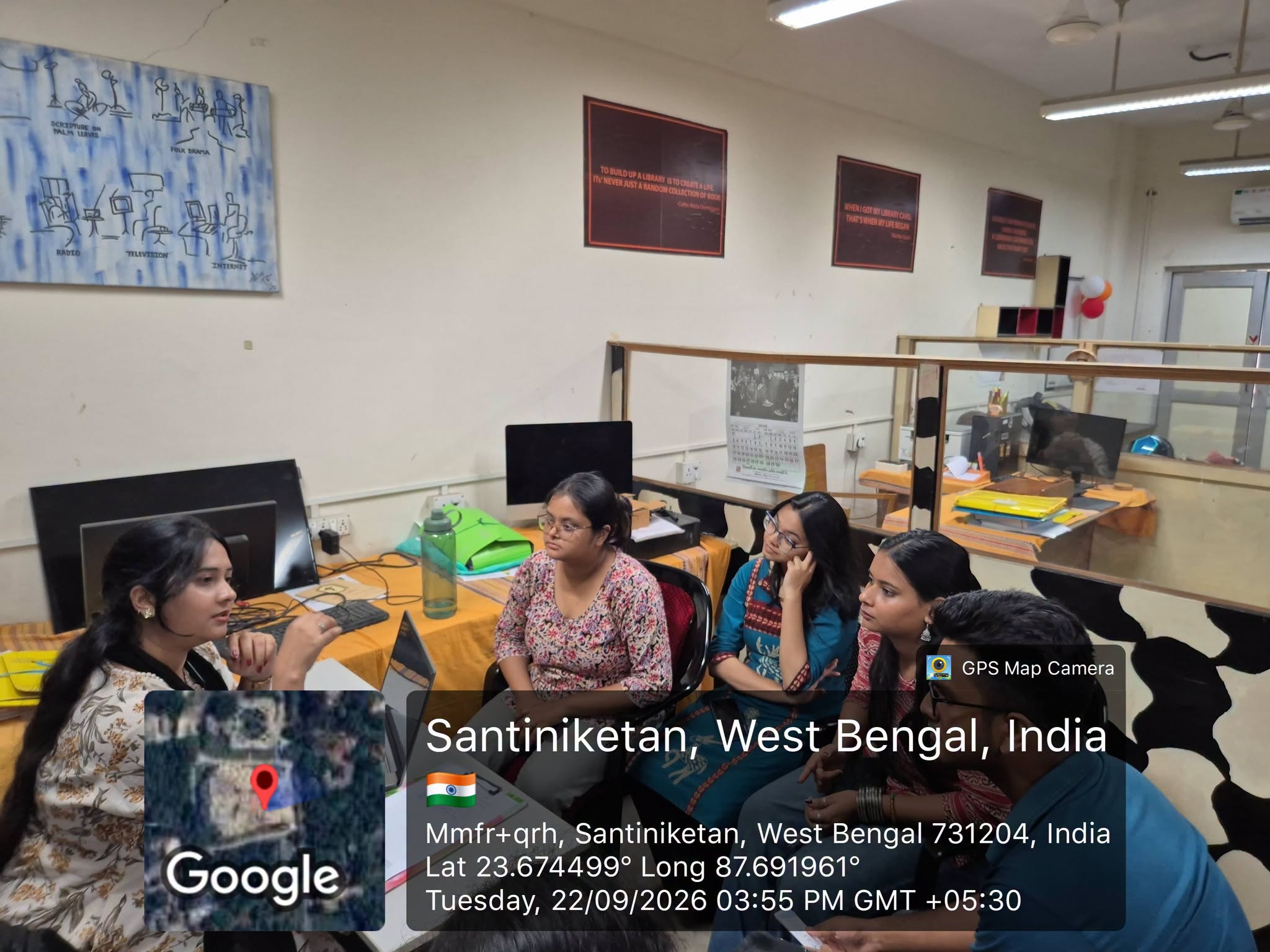
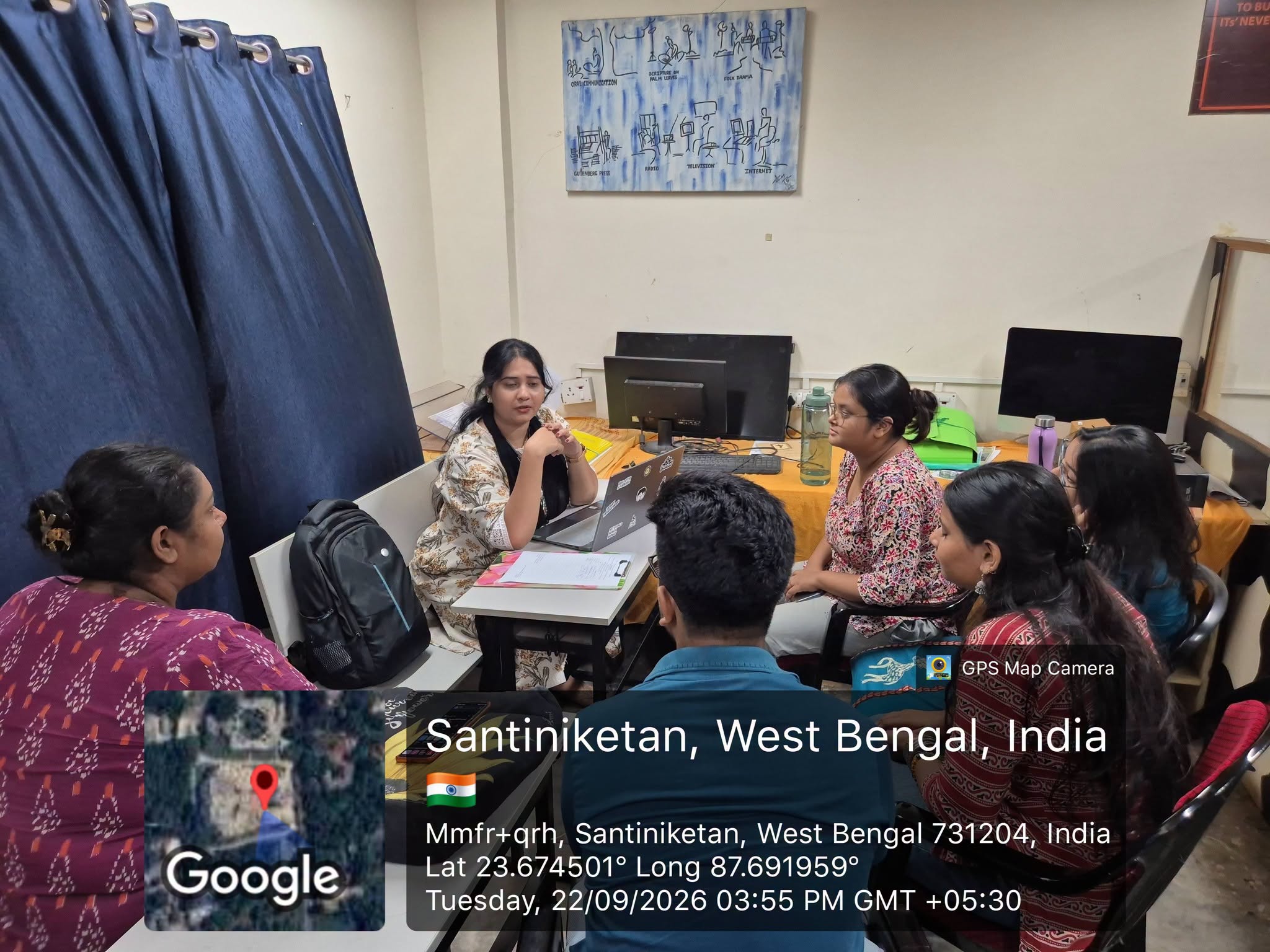
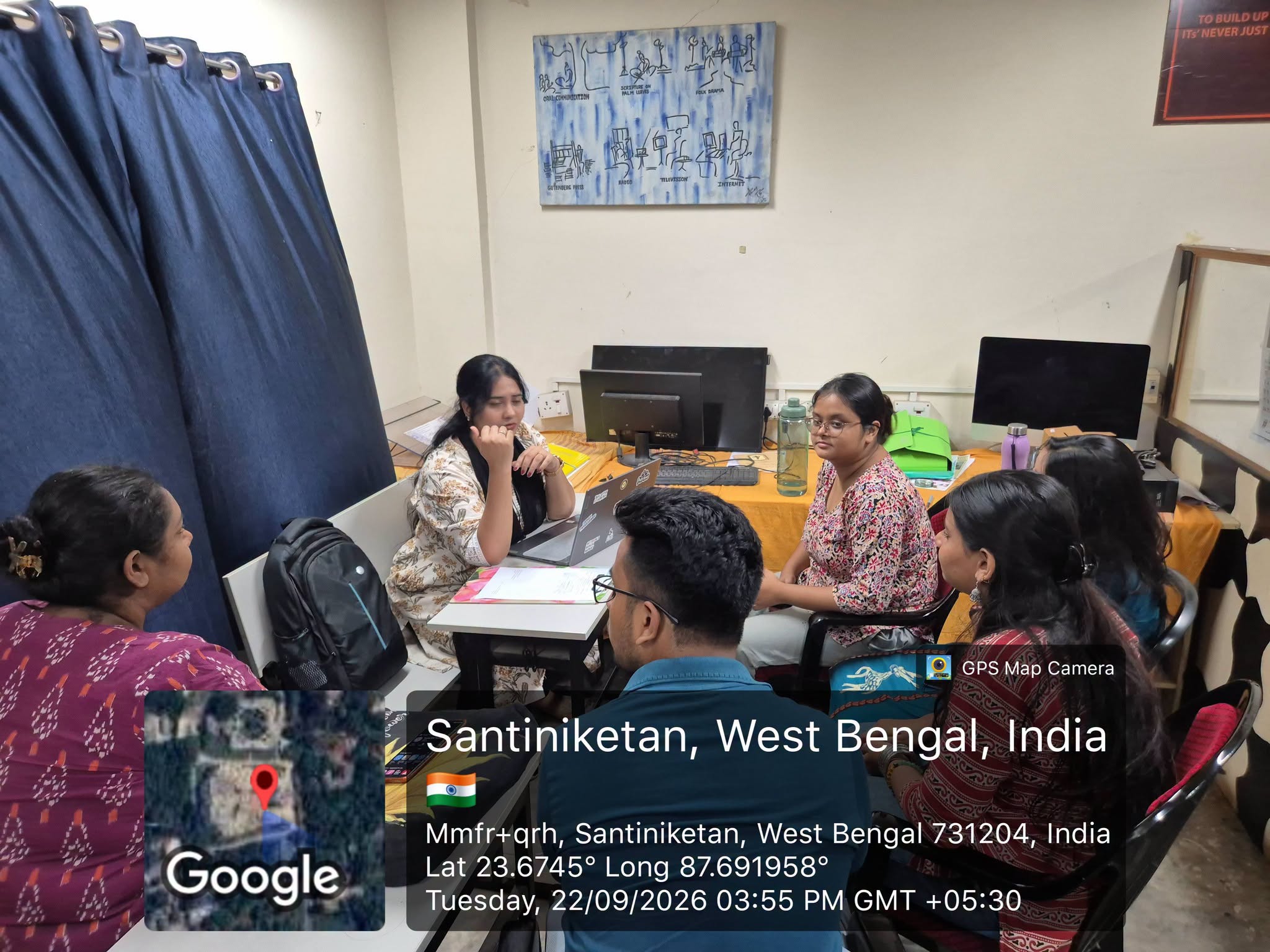
Centre for Journalism and Mass Communication organised a workshop on “Understanding and Applying the Fundamentals of Mobile Journalism” on 22 September 2026 for students of the Advanced Online Media and Mobile Journalism Specialisation. The session was conducted by Simran Parveen, Research Scholar, CJMC and focused on introducing students to the fundamental concepts and practices of mobile journalism. 

Time Table
Achievements
Alumni Association